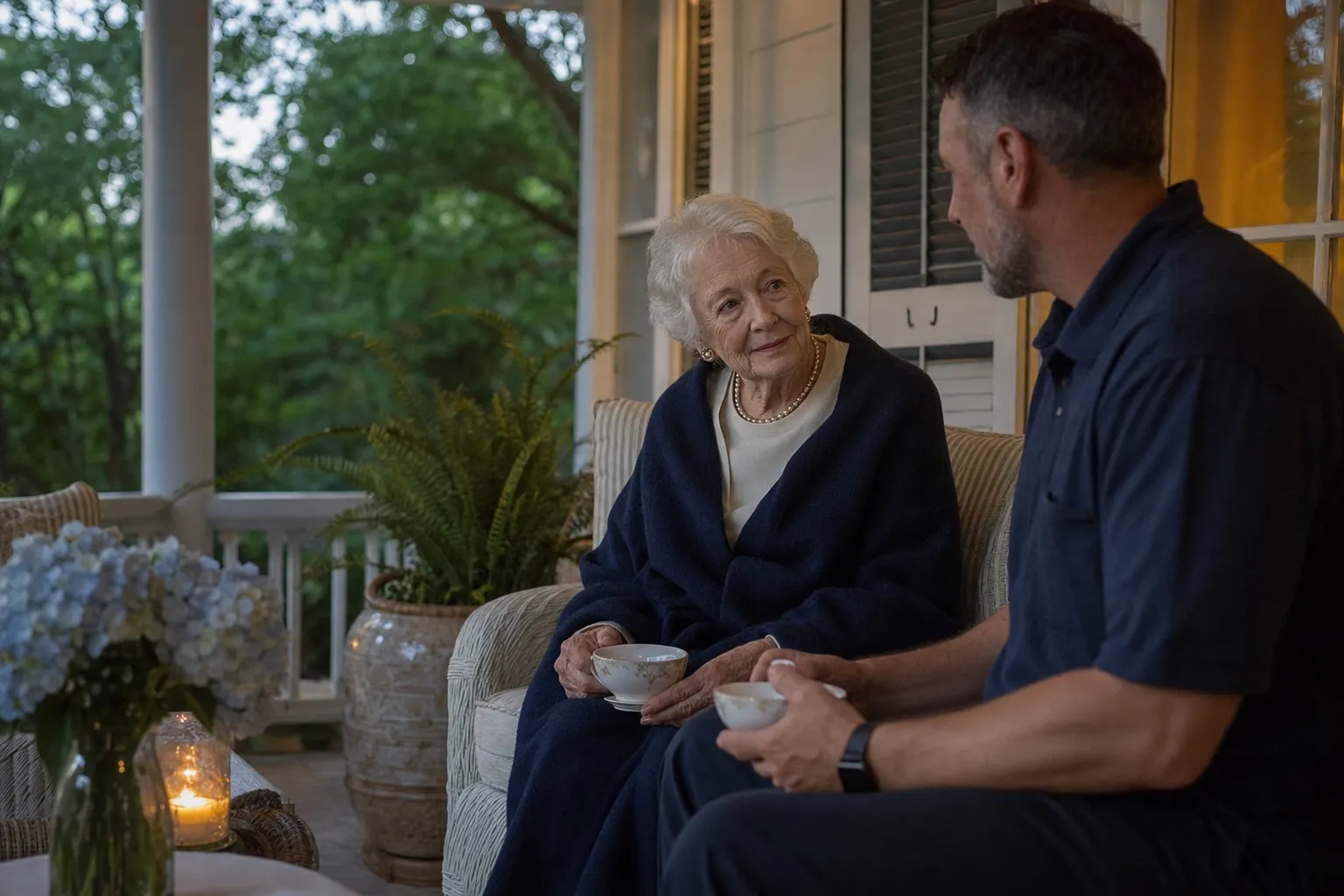
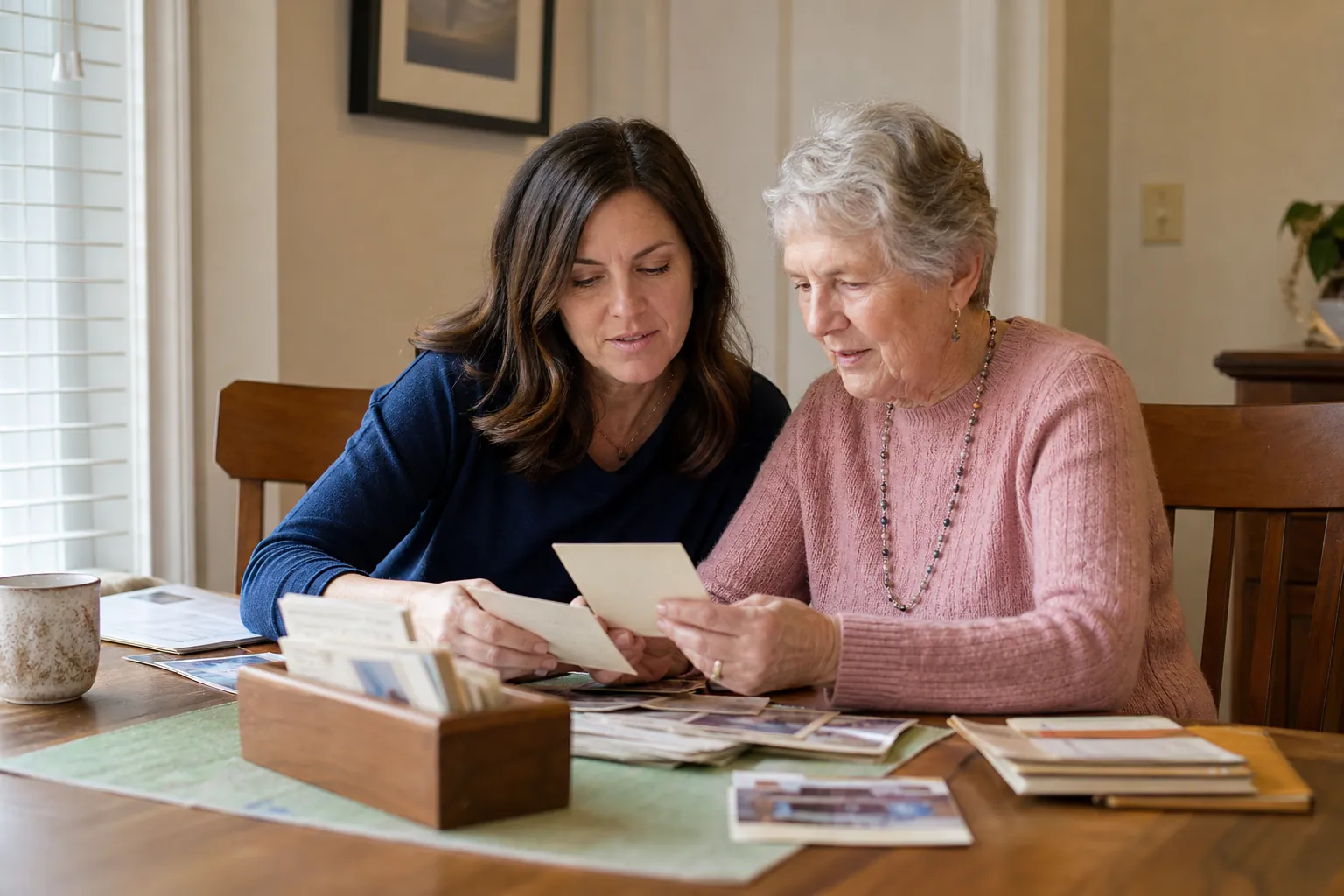
Home care is often described as something people need as they grow older. That description is incomplete. Families also look for support after a stroke, a brain injury, a new diagnosis, a serious hospital stay, a disability that changes over time, or the moment when the person who has been helping can no longer cover every difficult hour.
The reason for care matters less than the practical question: what has changed in an ordinary day? A loved one may still be working, raising children, making decisions, and very much themselves, while bathing, stairs, meals, transportation, fatigue, memory, or being alone at the wrong time have become harder to manage. The right support begins there.
Look at the routine, not the label
A diagnosis does not automatically tell a family how much help is needed. Two people with the same condition can have entirely different days. Instead of beginning with a broad label, write down the moments that are creating pressure: getting out of bed, showering, dressing, making meals, reaching an appointment, managing a long recovery day, or making sure someone is not alone when a risk is highest.
That approach keeps the person at the center of the plan. Ask what they want to keep doing themselves, what they would like help with, and what feels hardest. A useful plan adds support without taking over more than is necessary.
Common reasons families seek help at home
- After a hospital stay or surgery: the person needs more help with daily routines while following discharge instructions.
- After a stroke or injury: mobility, communication, judgement, fatigue, or transportation may have changed.
- With a progressive condition: the household needs a plan that can adjust as daily abilities change.
- With cognitive change: the person may need more structure, companionship, or supervision at particular times.
- With a lifelong disability: an adult may want consistent support that follows their established routines and choices.
- When a family caregiver needs backup: work, illness, sleep, appointments, or distance can make an otherwise workable plan difficult to sustain.
What in-home support can cover
Home care is practical. Depending on the care plan, it can include help with bathing, dressing, grooming, meals, light housekeeping, errands, mobility, transfers, companionship, transportation, and escorting to appointments. It can also provide a steady presence around a difficult morning, an evening routine, or a period when family members are at work or need rest.
It does not replace a doctor, nurse, therapist, emergency service, or a person-specific clinical plan. Questions about symptoms, treatment, medication changes, equipment, or whether an activity is safe belong with the treating team. That boundary matters because families deserve clear help, not vague promises.
Start before the household reaches a breaking point
Families often wait because they believe accepting help means giving up independence. In practice, early support can protect the parts of the day a person values. Someone may want help with a shower so they have energy for work. A spouse may need coverage during an appointment. An adult child may need a reliable person at home while they are on shift.
There is no prize for waiting until everyone is exhausted. The better time to talk is when the family can still make choices calmly, learn what support feels right, and create a backup plan before an urgent change forces the issue.
Choose support that fits the actual need
A few scheduled hours may be enough when the issue is a narrow gap in the day. Short-term care may fit after a hospital stay or illness. More regular personal care may fit when bathing, meals, mobility, or supervision have become difficult. When a loved one should not be left alone, a family may need longer shifts or more consistent support at home.
Other settings can be appropriate too. Rehabilitation may fit after certain injuries or hospital stays. An adult day program can provide daytime structure. Assisted living, memory care, or skilled nursing may fit when the care needs, safety risks, or equipment needs exceed what can reasonably be covered at home. The right answer is the one that respects the person and holds up in real life.
Use the condition guides when the diagnosis shapes the day
Some conditions bring distinct home-care questions. Our guides on heart failure, COPD, vascular dementia, frontotemporal dementia, and kidney disease and dialysis help families think through those more specific situations.
One useful next step
Make a short list this week: the times help is needed, the tasks that are hardest, the people currently involved, and the questions for the treating clinician. Then bring that list to the care conversation. Clear information makes it easier to arrange support that genuinely fits.
When you want to talk through the day-to-day side of care, talk with OPA Home Care or call 404-689-4440.
This article is general information and not medical advice. Talk with the doctor about your family member’s situation.