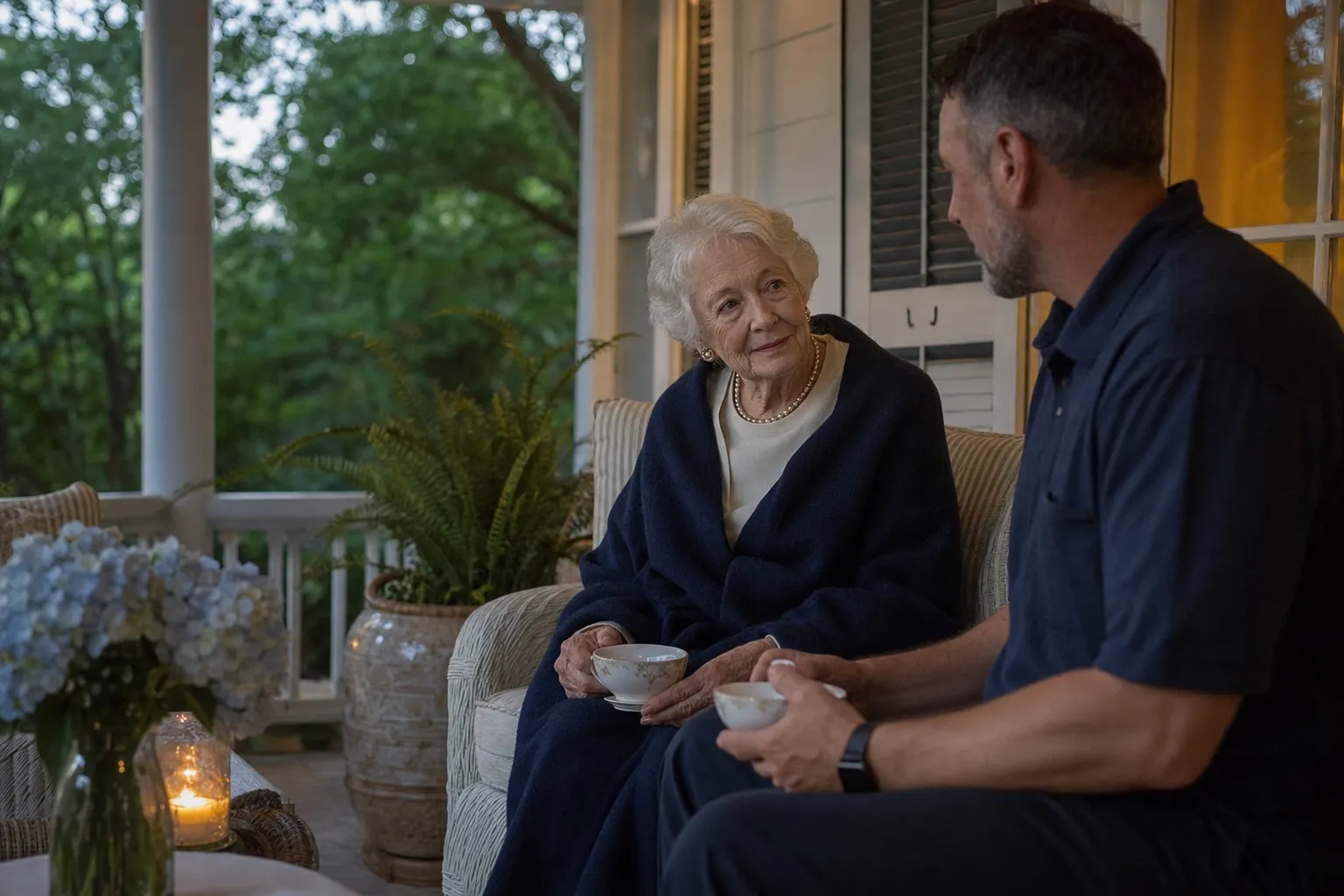

Your mother can still tell a great story from her favorite chair. Getting dressed for the day, however, now takes twice as long, and a shower can leave her drained. COPD can make familiar routines feel much bigger than they used to.
COPD is a long-term lung condition that can make it harder to move air in and out of the lungs. A person’s clinical team should set the treatment plan and explain which changes need urgent attention. For a plain-language overview, see COPD caregiver guidance.
What daily life can look like
- Breathlessness and fatigue can make bathing, dressing, cooking, and leaving the house more demanding.
- A hard day can make a person feel less confident about doing things alone.
- Families may be balancing appointments, equipment, household tasks, and concern about a flare-up.
What can change at home
- The home may need clearer walking paths and a slower pace around personal routines.
- The family needs a written plan for who to call when symptoms change.
- Oxygen or other equipment should be handled only according to the clinical team’s instructions.
How in-home care can help
Home care does not treat the condition. It can make everyday routines more manageable and give family members steadier coverage around the tasks that have become difficult.
- Personal care and meal help on days when energy is low.
- Light housekeeping and errands that reduce the number of demanding tasks.
- Companionship and support during the hours when being alone feels difficult.
- Transport and escort support for appointments, with the family following clinical direction for equipment.
Is home still the right place?
Families ask this more than any other question. No single sign decides it. The useful question is whether the person is safe, the plan covers the hardest parts of the day, and the people helping can keep going.
| Home may still be working when | It is time to reassess when |
|---|---|
| Help is available during the hours it is needed most. | Important routines repeatedly go uncovered. |
| The person can be supported safely with the home, equipment, and care plan in place. | Falls, symptoms, supervision needs, or equipment needs exceed what the household can manage. |
| The family caregiver is sleeping, staying well, and has dependable backup. | The caregiver is exhausted, injured, ill, or unable to leave the house. |
| The person has a voice in the plan and wants to remain at home. | The person's safety or wishes point to a different setting. |
- Use the person’s written action plan for worsening symptoms and contact the clinical team as directed.
- Call 911 for severe trouble breathing, bluish lips or face, new confusion, fainting, chest pain, or another immediate emergency.
Other settings and support to consider
More help at home is one option, not the only option. A family may also consider an adult day program, short-term respite, rehabilitation after a hospital stay, assisted living, memory care when cognitive change makes it appropriate, or a skilled nursing facility when needs exceed what can be arranged at home. The treating team can help explain which setting fits the person’s current needs.
How OPA works with your family
Start with what changed. Tell us which routines are difficult, when support is needed, who is involved, and what is already in place. We can then talk through practical coverage, from personal care and companionship to meals, mobility, errands, appointment support, and more consistent help when the household needs it.
A good care plan is built around the person’s own routines and preferences. As appointments, family availability, or daily needs change, the plan can be revisited. OPA can support the day-to-day work at home while the person’s clinical team remains responsible for diagnosis, treatment, medications, and medical direction.
Questions to bring to the doctor
- What is this person’s action plan for a worse breathing day?
- How should equipment be used and stored at home?
- What daily activities need to change for now?
Write the answers down and keep them with the current contact list. If a symptom is sudden, severe, or feels like an emergency, call 911.
Talk through the next practical step
When the daily routine is becoming too hard to cover, talk with our team or call 404-689-4440. We can begin with the part of the day that needs the most support.
This article is general information and not medical advice. Talk with the doctor about your family member’s situation.