
Summer in Georgia is a beautiful time, marked by blooming magnolias and vibrant green landscapes. However, for the seniors in our community, the “Peach State” summer brings a significant and often invisible threat: extreme heat. As temperatures routinely climb above 90°F and humidity levels soar, the risk of heat-related illness becomes a primary concern for families across the Atlanta MSA and North Georgia.
At OPA Home Care, we see firsthand how quickly a heat wave can transition from a minor discomfort to a medical emergency for an older adult. Because the aging body does not regulate temperature as efficiently as it once did, what feels like a “warm afternoon” to a younger person can be physically hazardous for a senior.
In this guide, we will break down why Georgia heat is uniquely dangerous, the 5 critical red flags you must watch for in your loved ones, and how our professional caregiving team provides the safety net families need during the hottest months of the year.
Why Georgia’s Heat is a “Silent Threat” for Seniors
The danger isn’t just the number on the thermometer; it is the combination of high heat and the famous Georgia humidity. When humidity is high, sweat doesn’t evaporate from the skin as quickly, which is the body’s primary way of cooling itself down.
For seniors, this risk is compounded by several physiological factors:
- Reduced Sweat Production: As we age, our sweat glands become less reactive, making it harder for the body to shed excess heat.
- Chronic Health Conditions: Conditions like heart disease, lung disease, and kidney issues: common among seniors: interfere with the body’s ability to circulate blood and regulate temperature.
- Medication Side Effects: Many seniors take diuretics (water pills), blood pressure medications, or antidepressants that can significantly impair the body’s response to heat or increase dehydration.
- Diminished Thirst Reflex: Many older adults do not feel thirsty even when their bodies are dangerously low on fluids.
This is why having a proactive plan is essential. Whether you are looking for reliable live-in care services or just a daily check-in, understanding the warning signs can save a life.
5 Red Flags You Can’t Ignore
When the heat index rises, families must be vigilant. If you notice any of the following symptoms in an elderly parent or neighbor, it is time to take immediate action.
1. Confusion, Irritability, or Slurred Speech
One of the first signs of heat exhaustion or the more severe heat stroke is a change in mental status. If a normally sharp senior begins to seem “foggy,” struggles to find words, or becomes uncharacteristically irritable, their brain may be struggling with internal heat.
In medical terms, this is often the onset of neurological distress. If you notice your loved one is “not acting like themselves” during a heat wave, do not wait. Move them to a cool area immediately and contact a healthcare professional.
2. The Absence of Sweat (Dry, Hot Skin)
While heavy sweating is a sign of heat exhaustion, the lack of sweat during extreme heat is a major emergency red flag for heat stroke. If their skin feels hot and dry to the touch, it means their body’s cooling system has completely shut down.
Heat stroke is a life-threatening emergency. If you find a senior with a high body temperature (above 103°F) and dry skin, call 911 immediately. While waiting for help, use cool cloths or a cool bath to lower their temperature.

3. Dizziness, Lightheadedness, and Fainting
Heat causes blood vessels to dilate as the body tries to cool down, which can lead to a sudden drop in blood pressure. For a senior, this often manifests as a “head rush” or feeling faint when standing up. This is not just a heat risk; it is a significant fall risk.
Our caregivers are specifically trained to monitor for these subtle shifts in stability. If a senior is struggling with mobility, especially during a transition from a hospital to home, specialized skilled nursing services can provide the clinical oversight needed to prevent heat-related falls.
4. Rapid Pulse and Shallow Breathing
When the body is under heat stress, the heart has to work much harder to pump blood to the surface of the skin. A rapid, thumping pulse or unusually fast, shallow breathing indicates that the cardiovascular system is under extreme strain. This is particularly dangerous for seniors with pre-existing heart conditions.
5. Persistent Nausea and Muscle Cramps
“Heat cramps” are often the very first sign of trouble. These are painful muscle spasms usually occurring in the legs or abdomen. If these cramps are accompanied by nausea or vomiting, it is a clear indication of heat exhaustion. The body is losing essential salts and fluids faster than they are being replaced.
The Importance of Hydration: Don’t Wait for Thirst
Because the thirst reflex weakens with age, seniors should not wait until they “feel thirsty” to drink water. During a Georgia heat wave, hydration must be scheduled.

Hydration Tips for Seniors:
- Small Sips, Frequently: Aim for 4-8 ounces of water every hour.
- Electrolyte Balance: If approved by a doctor, drinks with electrolytes can help replace salts lost through sweating.
- Limit Caffeine and Alcohol: Both can act as diuretics, worsening dehydration.
If managing these daily needs becomes overwhelming for a family caregiver, OPA Home Care offers a Fast Start plan that can get a professional into the home today to ensure hydration and safety protocols are being followed.
How OPA Home Care Keeps Atlanta Seniors Safe
We understand the anxiety that comes with a summer heat wave, especially for families who don’t live in the same neighborhood as their elderly loved ones. OPA Home Care is built to be the reliable partner you need.
24/7 Availability and Real-Time Support
We don’t use answering machines when things get tough. We have real people answering calls 24/7 to address concerns immediately. If the air conditioning fails or a loved one shows signs of heat stress at 2:00 AM, we are here to help.
Fast Starts for Urgent Needs
Heat waves don’t give notice. If you realize your parent’s home is too hot or they are struggling to stay hydrated, our Fast Start capability allows us to provide care on extremely short notice. Whether you need short-term assistance during a spike in temperature or long-term support, we are ready.
Dedicated Support for Veterans
As a proud part of the VA CCN network, we are honored to serve those who served our country. We help veterans navigate their benefits to get the care they need quickly, ensuring they stay cool and safe throughout the Georgia summer. You can learn more about our veteran home care benefits here.

Serving North Georgia and the Atlanta MSA
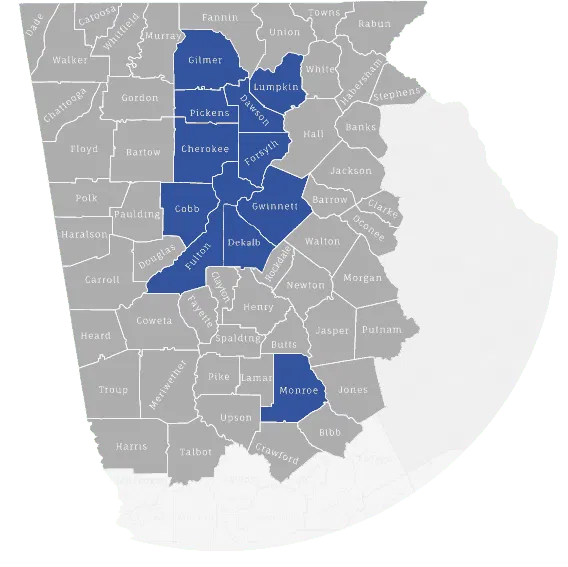
Our reach extends across 11 key counties, including Cobb, Fulton, DeKalb, Gwinnett, and Cherokee. We are your local experts in Georgia senior care, understanding the local weather patterns and the specific challenges our seniors face.
Summary: A Proactive Approach to Summer Safety
The Georgia heat wave is a serious threat, but it is a manageable one. By staying alert to the 5 red flags: confusion, lack of sweat, dizziness, rapid pulse, and nausea: you can act before a situation becomes a crisis.
Don’t let your loved one face the “dog days” of summer alone. Whether you need a summer backup plan for respite care or immediate skilled nursing, OPA Home Care is here to ensure no senior is left without the care and attention they deserve.
Need help today? Call OPA Home Care for a Fast Start and give your family the peace of mind that comes with professional, compassionate support.