
When a loved one is diagnosed with dementia or Alzheimer’s, the world can feel like it’s shrinking. For many families in North Georgia, from the bustling streets of Atlanta to the quiet foothills of Pickens County, the priority is clear: keeping Mom or Dad safe, comfortable, and engaged in the home they love.
At OPA Home Care, we know that aging in place isn’t just about safety: it’s about quality of life. The challenge for many family caregivers isn’t just “what to do,” but how to maintain a consistent routine that keeps their loved one’s mind active without causing frustration.
Consistency is more important than the activities themselves. While a single afternoon of fun is great, the real cognitive benefit comes from daily, structured engagement. That is where our team of over 1,400 credentialed caregivers, CNAs, and Nurses steps in, providing the reliable daily structure your family needs.
Below, we’ve compiled 30 dementia-friendly memory care activities you can start today, followed by a look at why professional support might be the most cost-effective way to manage this journey.
Creative Expression: Art and Music
Music and art bypass the logic-centers of the brain that dementia often affects first, tapping directly into emotion and long-term memory.
- Create a “Legacy Playlist”: Listen to favorite songs from their teenage years or early adulthood.
- Sing-Along Sessions: Use familiar hymns or folk songs; the rhythm often triggers verbal recall.
- No-Rules Painting: Use thick paper and vibrant watercolors. Focus on the process, not the final product.
- Adult Coloring: Use large-print coloring pages to provide a soothing, structured task.
- Clay Sculpting: Rolling or pressing playdough or clay provides excellent tactile stimulation.
- Flower Arranging: Buy a few inexpensive bouquets and let your loved one arrange them in vases around the house.
- Magazine Collages: Cut out pictures of things they love (dogs, old cars, gardens) and glue them onto cardstock.
- Rhythmic Movement: Use a tambourine or shaker to “keep the beat” to a favorite jazz or big band record.
Staying Active: Movement and Nature
Physical activity improves circulation and can help regulate the “sundowning” restlessness often seen in memory loss patients.
- Chair Yoga: Simple, guided stretching while seated improves flexibility and reduces stress.
- Balloon Batting: Use a light balloon to play “keep away.” It’s safe, fun, and improves hand-eye coordination.
- Nature Walks: Even a 10-minute walk in a local Cobb County park or your own backyard can reset a mood.
- Garden Sitting: Simply sitting outside, feeling the breeze, and identifying bird calls is a sensory win.
- Soft-Ball Toss: Using a foam ball, practice gentle underhand tosses to maintain motor skills.
- Seated Dancing: If standing is difficult, hold hands and move to the music while sitting.

Cognitive Engagement: Games and Puzzles
The goal here isn’t to “win,” but to keep the brain’s “gears” turning in a failure-free environment.
- Large-Piece Jigsaw Puzzles: Look for puzzles with 12–24 pieces and high-contrast images.
- Picture Bingo: Use cards with images of everyday objects rather than numbers.
- Sorting Spices: Smelling and naming common kitchen spices like cinnamon or vanilla.
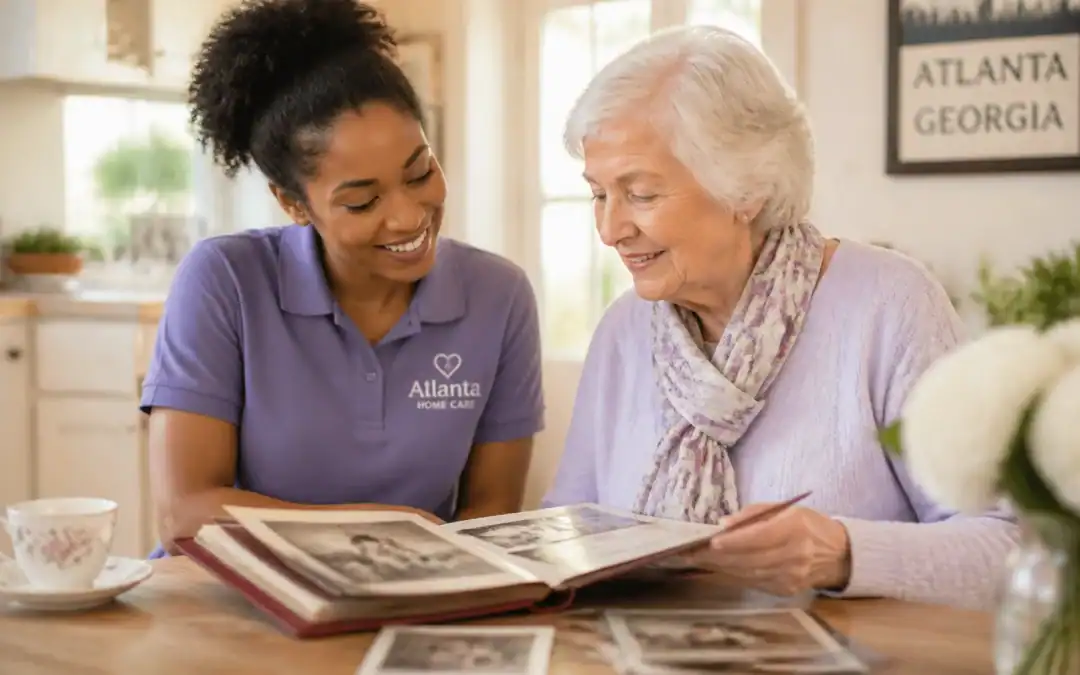
- Family Photo Albums: Look through old photos. Avoid “Do you remember who this is?” and instead say, “Tell me about this day.”
- The Memory Box: Fill a shoe box with items related to their former career or hobby (e.g., a tape measure for a carpenter).
- Simple Card Games: Games like “War” or “Go Fish” use familiar patterns and shapes.
- Matching Socks: This sounds like a chore, but for many seniors, it provides a sense of purpose and order.
- Word Searches: Use large-print versions with simple, common words.
Life Skills: Purposeful Tasks
Maintaining a sense of “usefulness” is critical for dignity. Many seniors with dementia thrive when they feel they are helping.
- Folding Towels: A repetitive, calming task that provides a clear sense of completion.
- Dusting Low Surfaces: Give them a soft microfiber cloth for a safe, easy chore.
- Mashing Potatoes: Supervised kitchen tasks allow them to participate in the “heart of the home.”
- Polishing Silver: The smell of the polish and the repetitive motion can be very grounding.
- Sorting Mail: Letting them open non-essential mail or sort circulars.
- Watering Plants: A small watering can and a few indoor plants provide a daily routine.
- Setting the Table: Placing napkins or non-breakable plates helps signal that it is nearly mealtime.
- Pet Therapy: Brushing a calm dog or cat provides immense emotional comfort and sensory input.
Why Consistency Matters (And How OPA Helps)
While these activities are wonderful, they require time, patience, and: most importantly: reliability. For a family in Fulton or Gwinnett juggling work and kids, being there every single afternoon for a “legacy playlist” session isn’t always possible.
This is where OPA Home Care excels. We don’t just “watch” your loved one; we engage them.
- No Missed Shifts: We have scheduled over 7,000+ shifts and haven’t missed one. If your regular caregiver is sick, our fail-safe backup system ensures someone is there.
- Fast Starts: If you’ve reached a breaking point today, call us. Our Fast Start plans can get a caregiver into your home immediately.
- Credentialed Expertise: Our staff includes CNAs and Nurses trained in clinical leadership. We can handle everything from simple companionship to complex skilled nursing at home.
The Cost Equation: Facility vs. In-Home Care in Georgia
Many families hesitate to bring in professional help because they worry about the cost. However, when you look at the 2026 senior care landscape in Georgia, the numbers tell a surprising story.
| Care Type | Estimated Monthly Cost (GA 2026) | Best For |
|---|---|---|
| Memory Care Facility | $5,000 – $6,500+ | Seniors needing 24/7 locked-unit security. |
| In-Home Care (Part-Time) | $2,000 – $3,500 | Seniors who need daily engagement and help with ADLs. |
| 24/7 In-Home Care | $12,000+ | Those who want one-on-one attention in their own home. |
As you can see, the cost of in-home care in Georgia is often significantly lower than a facility if your loved one only needs 4–8 hours of support per day. This “middle ground” allows your senior to stay in their familiar environment: surrounded by their own memories: while you get the respite and professional backup you need.
Serving Those Who Served
At OPA Home Care, we are also OPA Proud. We are part of the VA CCN network, meaning we can help veterans and their spouses access the home care benefits they’ve earned. If you are looking for veteran home care benefits, we can help navigate the paperwork and get care started quickly.

We Are Here for You 24/7
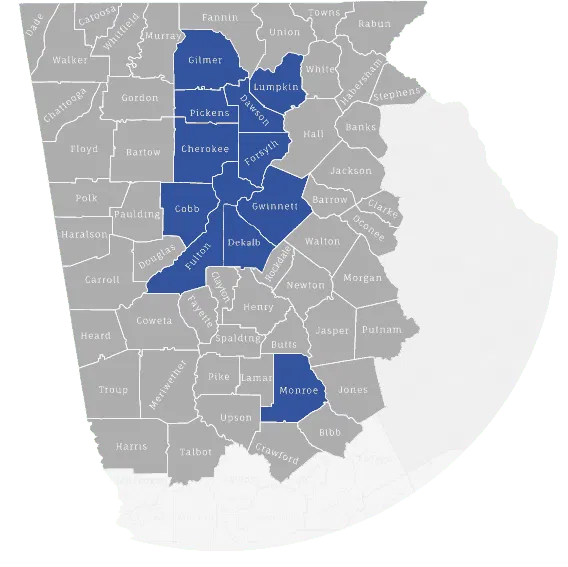
Dementia doesn’t take the weekend off, and neither do we. Whether you are in Cherokee, Cobb, DeKalb, Forsyth, Gilmer, Lumpkin, or Monroe, our team is ready to help. We have real people answering our phones 24 hours a day to address your concerns.
Don’t wait for a crisis to find a partner. If you need a hand with memory care activities, or if you simply need to know that Mom is safe while you’re at work, OPA Home Care is here to provide extraordinary care that feels like family.
Our Service Area
Ready to start? Call us today for a personalized care plan that fits your family’s needs and budget.