
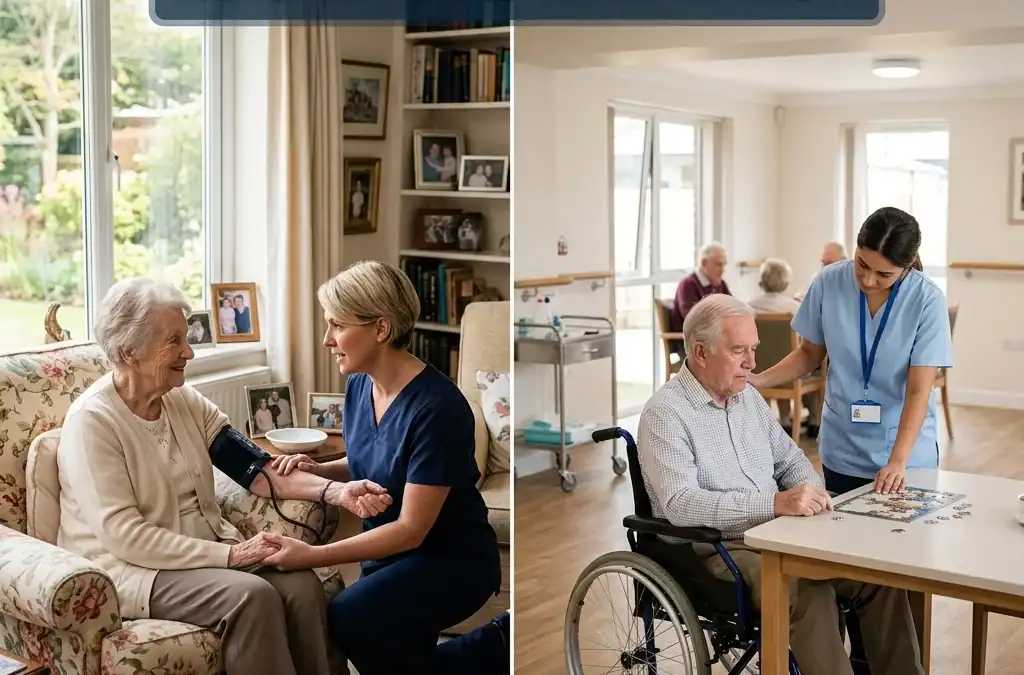
When a loved one requires a higher level of medical attention, whether following a surgery, a stroke, or due to a chronic condition, families often find themselves at a crossroads. The central question is usually: "Do we move them into a nursing home, or can we bring that same level of care to their front door?"
Choosing between skilled nursing home care and a traditional facility is more than just a logistical decision; it is an emotional and clinical one. In Atlanta, where the healthcare landscape is vast, understanding the nuances of these options is critical for ensuring the best possible recovery outcomes.
At OPA Home Care, we believe that clinical excellence should not come at the cost of personal dignity. This guide breaks down the clinical, emotional, and practical differences between skilled nursing at home and nursing home facilities to help you make an informed choice.
Understanding Skilled Nursing: What Does It Actually Mean?
Before comparing the two, it’s important to define "Skilled Nursing." Unlike standard personal care (which covers activities of daily living like bathing or dressing), skilled nursing services Georgia involve medical treatments that can only be legally and safely performed by licensed health professionals, such as Registered Nurses (RNs) or Licensed Practical Nurses (LPNs).
Skilled nursing includes:
- Wound Care: Managing surgical incisions or pressure sores.
- Intravenous (IV) Therapy: Administering medications or hydration through a line.
- Injections: Managing insulin, anticoagulants, or other specialized meds.
- Catheter & Feeding Tube Management: Ensuring proper hygiene and function of medical devices.
- Physical, Occupational, and Speech Therapy: Intensive rehabilitation following a health event.
Both nursing homes and home care agencies provide these services, but the delivery of that care changes the patient experience entirely.
The Advantage of One-on-One Care
In a traditional nursing home, even the highest-rated facilities operate on a staff-to-patient ratio. A single nurse might be responsible for 15, 20, or even 30 residents during a shift. This means care is often reactive, delivered when a call button is pressed or during a scheduled round.

Skilled nursing home care flips this dynamic. When a nurse is in your home, they are there for exactly one person: your loved one.
The Impact of Individualized Attention
- Lower Infection Risk: Nursing homes are congregate settings. By receiving care at home, the patient is not exposed to the illnesses of dozens of other residents, which is crucial for those with compromised immune systems.
- Immediate Adjustments: If a patient shows a subtle change in their breathing or cognitive state, a dedicated home nurse notices it immediately. In a facility, these "micro-changes" can sometimes go unnoticed until they become "macro-problems."
- Medication Accuracy: With 1-on-1 care, the risk of medication errors, common in busy facilities, is significantly reduced.
Clinical Excellence and Recovery Outcomes in Atlanta
Clinical outcomes are the ultimate metric of success in healthcare. Does the patient get better? Do they avoid the hospital?
Studies consistently show that patients recovering in a familiar environment often reach their rehabilitation goals faster. This is largely due to the psychological benefit of "aging in place." When a senior is in their own home, their stress levels (cortisol) are lower, and their sleep quality is generally higher, both of which are biological requirements for physical healing.
At OPA Home Care, we monitor these outcomes with rigorous detail. We are proud to maintain a 99% report rate, a metric that reflects our commitment to transparency and clinical consistency. Whether we are managing a complex post-hospital discharge or providing long-term medical support, our goal is to keep the patient safe and stable in their own environment.

Comparing the Environment: Comfort vs. Institutionalization
The most obvious difference is the setting. A nursing home is a clinical institution. While many facilities work hard to feel "homelike," they are still governed by industrial schedules. Meals are served at specific times, visiting hours are often restricted, and the sounds of a facility (alarms, carts, other residents) can be disorienting for those with dementia or high sensory sensitivity.
Skilled nursing services Georgia allow the patient to maintain their own rhythm. They eat their own food, sleep in their own bed, and remain surrounded by their personal history.
The Role of Family Involvement
In a nursing home, family members are "visitors." In a home care setting, family members are "partners." Home-based care allows for seamless integration of family support, making it easier for children or spouses to be part of the care plan without the barriers of facility protocols.
Evaluating the Cost: A Transparent Look
One of the most common misconceptions is that home care is always more expensive than a nursing home. The reality is more nuanced.
- Nursing Homes: You pay for the room, board, and a portion of the collective staff. Costs in Georgia are fixed and often high, regardless of how much active "nursing" is happening at a given hour.
- Skilled Home Care: You pay for the specific hours of professional service required. For those who need intensive, 24/7 medical supervision, home care can be a significant investment. However, for many seniors, a hybrid model of skilled nursing visits combined with personal care is often more cost-effective than facility placement.
For a deeper dive into the financial side of things, see our guide on the cost of in-home care for the elderly in Georgia.
Why OPA Home Care is Different
Choosing an agency for skilled nursing services Georgia requires a high degree of trust. At OPA Home Care, we don't just send a nurse; we send a clinical partner.
1. Superior Training
Through our partnership with CareAcademy, our staff undergoes continuous professional development that exceeds state requirements. This ensures our nurses are up-to-date on the latest post-surgical protocols and geriatric care techniques.
2. Local Expertise
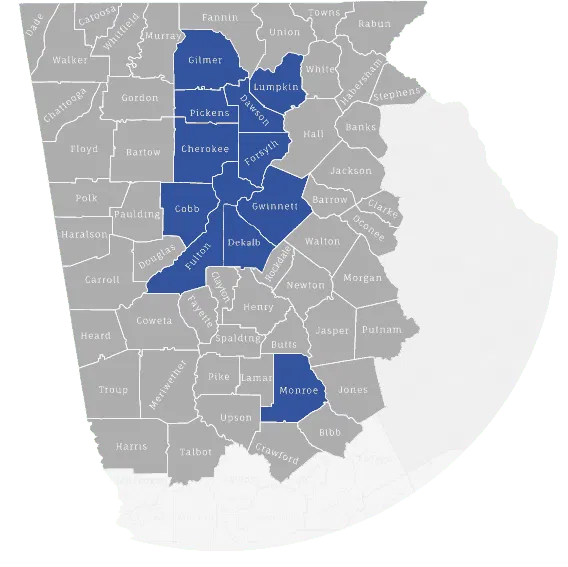
We are deeply rooted in the Georgia community. Our service area spans across the heart of the state, ensuring that families from Cobb to DeKalb have access to elite medical support.
3. Reliability Through Technology
We utilize the AxisCare system to integrate our scheduling and clinical reporting. This means that if a nurse is two minutes late, our management team knows. If a clinical note is recorded, it is available to the family and the primary physician in real-time. We eliminate the "communication gap" that so often plagues traditional nursing homes.
How to Decide: The Checklist
If you are struggling to decide which path is best, consider these three factors:
- Acuity Level: Does the patient require a ventilator or constant, 24-hour physician presence? If yes, a facility might be necessary. Does the patient need wound care, IVs, or PT three to five times a week? If yes, home care is likely the superior option.
- Cognitive Health: For patients with Alzheimer’s or dementia, a move to a new facility can trigger "Transfer Trauma," leading to rapid decline. In these cases, staying at home is almost always clinically preferred.
- Support System: Does the patient have a home that is (or can be) modified for safety? Is there a family member who can act as a point of contact for the home care agency?
The OPA Promise: Compassion Meets Clinical Rigor
At the end of the day, the "best" option is the one that provides your loved one with the highest quality of life while meeting their medical needs. Skilled nursing at home offers a level of dignity and personalized care that a large-scale facility simply cannot replicate.
At OPA Home Care, we are dedicated to proving that "home" is the best place for healing. With our 99% report rate and a team of compassionate, highly trained professionals, we provide the peace of mind families need during challenging transitions.
Whether you are just starting your search or are ready to transition back home from the hospital, we are here to help. Our clinical team can assess your needs and build a custom plan that prioritizes safety, recovery, and the comfort of home.
Ready to explore your options? Contact us today to speak with a care coordinator about skilled nursing services in your area.