
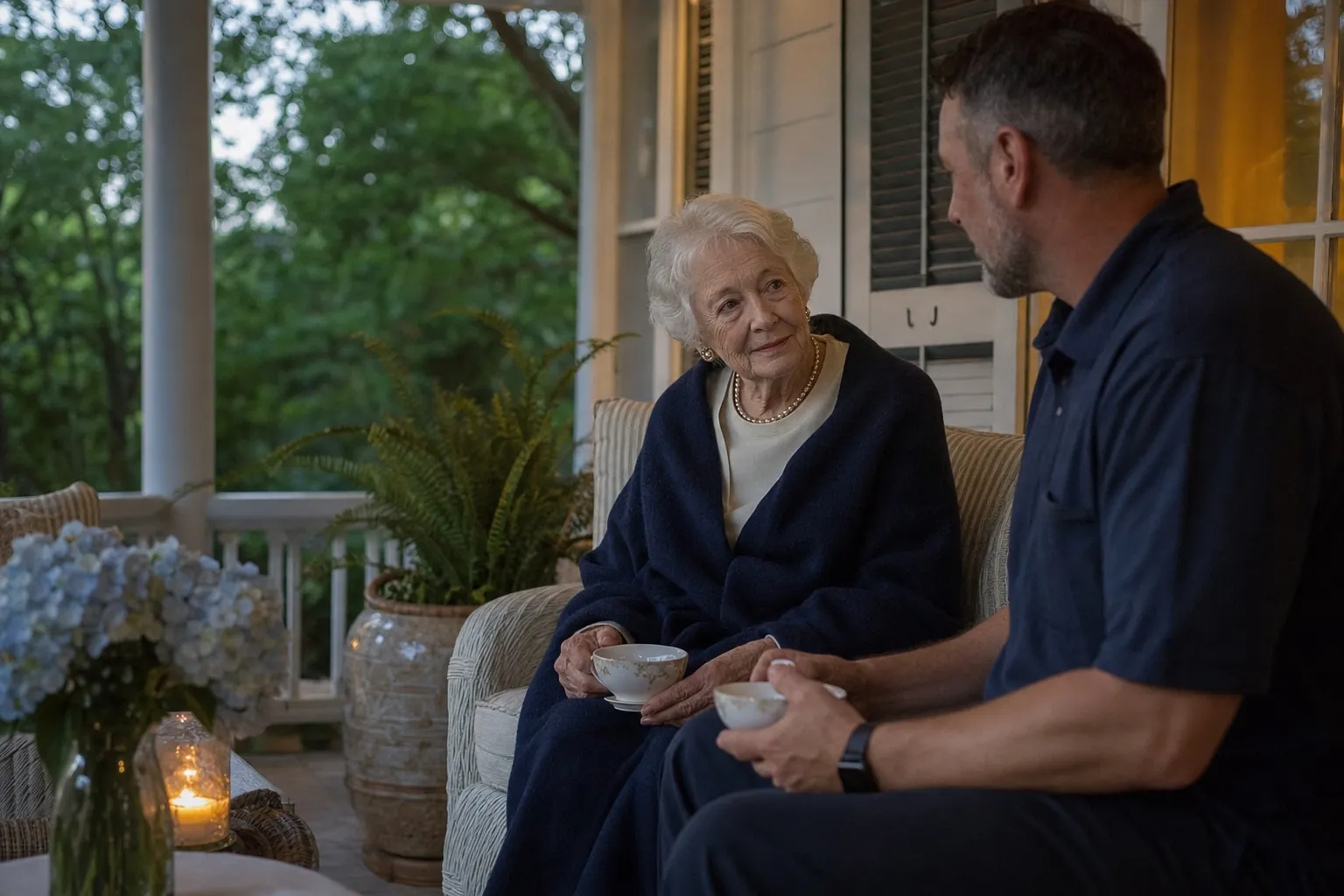
When a parent dies, the family member who carried the care is often handed another long list just when their concentration is gone. The calls do not stop. They change: the funeral home, a landlord or utility company, the bank, insurance, medical equipment, and relatives who need an answer. Start with the next necessary thing, not every task at once.
This checklist is for the first 30 days. It cannot replace legal, tax, or financial advice, and no two estates are the same. Its job is simpler: help the family keep a written record, divide the work, and avoid making a rushed decision that belongs with an attorney, an agency, or the person formally handling the estate.
First, make today safe and manageable
Begin with people and responsibilities that cannot wait. If another parent, spouse, child, pet, or dependent relied on the person who died, make a plan for meals, medication routines, transportation, and companionship for the next several days. If the home will be empty, make sure it is secure and that someone knows how to reach the right family contact.
Choose one point person for each immediate job. One person can speak with the funeral home, another can tell close family, and another can notify providers. Clear assignments help prevent duplicate cancellations and missed needs, such as an oxygen rental or support for a vulnerable spouse at home.
Open one paper folder or shared note. Record the date, the organization, the name of the person you spoke with, what was said, and the next step. Keep original documents and account information private. A short list is more useful than a family group chat full of scattered instructions.
Handle the immediate arrangements
Follow the guidance of the medical team, facility, or funeral professional for the circumstances of the death. If plans were made in advance, locate the funeral, burial, cremation, military, faith, or memorial preferences. If no plan is clear, pause long enough for the people responsible for the arrangements to understand their options before signing anything they do not understand.
Ask the funeral home how to obtain certified copies of the death certificate and how many may be useful. Financial institutions, insurers, and government agencies each have their own requirements, so do not order a number based only on a relative’s guess. Keep the copies secure and record where each one goes.
Tell the people who need to know first. That usually includes close family, friends who can help with practical needs, the employer if relevant, and anyone responsible for a dependent person or pet. It is reasonable to ask one person to communicate updates so the closest family members are not repeating the same difficult call all day.
Stop or transfer the care that was in motion
Contact each active provider: personal care, home health, nursing, therapy, meal delivery, transportation, pharmacy delivery, and medical-equipment suppliers. Say that the person has died, ask what needs to happen next, and record the answer. Ask about final visits, final invoices, pickup of rented equipment, and the return of any personal items or paperwork.
Do not throw away medicines or keep them for someone else. Ask the pharmacy about an authorized take-back option and follow local disposal instructions. If equipment is rented, keep the supplier’s pickup instructions with the equipment instead of moving it to a different location without asking.
For families who had been coordinating several services, OPA’s Care Coordination Grid can still be useful for one final handoff. Use it to name the provider, the contact, what was cancelled or returned, and who owns the next call. The goal is not to turn grief into a project. It is to make sure no important loose end stays invisible because everyone assumed someone else had it.
Confirm Social Security and survivor questions
A funeral home generally reports a death to Social Security. The Social Security Administration’s guidance after a death explains that a family usually does not need to make a separate report when the funeral home has done so. If no funeral home was involved, or you are unsure the report was made, contact Social Security directly rather than assuming a call from another company completed the step.
Do not assume a family member will qualify for a payment, or that no one will. The same Social Security guidance explains that eligible survivors may have options, including monthly survivor benefits, and that a spouse may qualify for a one-time payment in some circumstances. Ask the agency what applies to the person’s record and the surviving family’s situation.
If your parent was a veteran, add a VA call to the list. The VA’s burial allowance guidance explains that eligibility and deadlines depend on the facts, including the veteran’s service and circumstances. A family should verify benefits directly with the VA, rather than treating a general checklist as approval.
Gather information before changing accounts
Find the will, trust papers, deed or lease, insurance policies, pension information, recent bills, and a list of regular accounts if one exists. Put the originals somewhere safe. This is a gathering step, not permission to close accounts, transfer property, or divide belongings. The person named in a will, a surviving joint owner, and a court-appointed representative may have different authority.
Let the relevant bank, insurer, pension administrator, or employer explain its process. Ask what proof it needs, who can speak for the estate, and what deadline applies. Make a note of each reference number and do not rely on a verbal promise that “everything is handled.”
Be cautious with unexpected callers. The Consumer Financial Protection Bureau explains how debts are generally handled after a death: debts are usually paid from the estate, and family members are not typically responsible from their own money unless a specific legal exception applies. Do not agree to a payment or share sensitive information under pressure. A qualified estate attorney can advise on the family’s actual responsibilities.
Use the first month for orderly follow-through
During the next few weeks, work through the list in groups rather than reacting to each piece of mail as a separate emergency. Start with organizations that send money, hold property, insure something, or provide an essential service. Then move to subscriptions, memberships, deliveries, and routine accounts. Keep a copy of each confirmation, the cancellation date, and any final balance or refund question.
Mail matters because it shows what may still need attention. Forwarding mail, protecting records, and reviewing statements can help the family identify accounts without guessing. If there may be an estate proceeding, ask an attorney in the relevant state how to handle property, debts, and notices before disposing of documents or paying bills from personal funds.
Taxes usually do not need to be solved in the first week, but they should be placed on the list. The IRS guidance for a deceased person explains that a surviving spouse, executor, administrator, or other legal representative may need to file final tax returns and handle a refund. Save tax records and bring the question to a qualified tax professional or estate representative when the time is right.
Make room for the person who carried the care
When caregiving ends, relief, exhaustion, sadness, anger, and numbness can all show up, sometimes in the same day. None of those reactions mean the relationship mattered less. The former caregiver may also lose the structure that filled every day: calls, meals, appointments, visits, and the responsibility of being on alert.
Give that person one protected task they do not have to own. A sibling can handle the insurer calls. A friend can bring a meal or sit through paperwork. Someone else can make the list of people to notify. Specific offers are easier to accept than “let me know if you need anything.” If sleep, appetite, mood, safety, or daily functioning becomes hard to manage, encourage a conversation with a health professional or a local grief-support resource.
Families can also use the free planning tools in OPA’s Knowledge Center to keep documents, contacts, and responsibilities in one place. If a surviving parent or spouse now needs help with meals, bathing, mobility, companionship, or the parts of the day the family cannot safely cover, personal care at home can be discussed separately from estate decisions.
A simple 30-day checklist
- Today: protect dependents and the home, notify the closest people, and choose one person for each immediate job.
- This week: work with the funeral professional, secure documents, contact active care providers, and confirm the Social Security step.
- Weeks two through four: identify accounts and benefits, ask each organization for its process, return rented equipment, and keep a written log.
- Before moving money or property: confirm who has authority and get qualified legal or financial advice for the estate.
- Throughout: give the former caregiver real relief, not another vague promise of help.
Start with one page: write down the next three calls, who will make each one, and when the family will check back in. The work after a parent dies is rarely finished in 30 days. A shared, calm record makes the first month more manageable and leaves space for the family to be a family.
This article is general information, not legal, tax, financial, or medical advice. Confirm benefit, estate, account, and tax questions with the relevant agency or a qualified professional.
Questions to keep beside the phone
When you call an organization, start with three questions: What do you need from us? Who is authorized to give it? What happens after we send it? Write down the answer before ending the call. If the person cannot tell you whether a family member has authority, ask what document or appointment it requires. That is more useful than arguing, guessing, or repeating the same call tomorrow.
Keep a short inventory of the practical items still connected to the home: keys, vehicles, insurance cards, mail, rental equipment, a phone, and any automatic deliveries. The list is not a legal inventory of the estate. It is a way to make sure the surviving household is not surprised by a service interruption, a pickup deadline, or an account that needs the right person’s attention.
Some tasks can wait. A family does not need to empty a room, close every account, or decide what belongings mean in the first few days. When a deadline is real, the organization involved should be able to explain it. When the question concerns estate authority, title, taxes, debt, or benefits, get advice from the person or professional responsible for that decision. Slowing down is often the practical choice.
When a surviving parent needs a new plan
The death of one parent can expose a care gap for the person left behind. Meals, medication reminders, transportation, bathing, household routines, and simple companionship may have depended on the person who died. Make the new needs visible without assuming the surviving parent has lost their voice. Ask what they want help with, which part of the day feels hardest, and who can cover it this week.
Family members can use the care-start conversation to discuss support at home if the household needs a dependable next step. That conversation is separate from legal and estate work. It begins with the practical question of what will help the surviving person get through the day safely and with more support around them.