

Many people want to support a caregiver. The difficult part is turning goodwill into help that actually reduces the load. A caregiver may be handling meals, rides, appointments, phone calls, medication questions, bills, supervision, and family updates while trying to protect a loved one's dignity. “Let me know if you need anything” is kind, but it can leave the caregiver with one more task: deciding what to ask for, explaining it, and following up.
The most useful support is specific, reliable, and easy to hand over. It gives a caregiver one less thing to remember and gives the person receiving care a steadier routine.
Start with a clear offer
A vague offer creates a decision. A clear offer creates a plan. Instead of asking, “How can I help?” offer something you can do and name when you can do it.
- “I can bring dinner on Wednesday and stay for an hour while you take a walk.”
- “I can drive your dad to next week's appointment.”
- “I can call the insurance company and write down the answer.”
- “I can take the Saturday grocery run every other week.”
Be honest about your limits. A small responsibility you can keep is more useful than a large promise that disappears when the week gets busy. The Caregiver Action Network's guidance for helping caregivers makes the same point in practical terms: ask what help is wanted, then offer help that is concrete and dependable.
If you are not sure what needs attention, look at the ordinary week. Meals, laundry, rides, pharmacy pickups, home maintenance, paperwork, and companionship all take time. The caregiver may need help with the task itself, or the caregiver may need someone to cover the task while they rest.
Take ownership of a recurring job
One completed errand helps. A recurring responsibility changes the shape of a week.
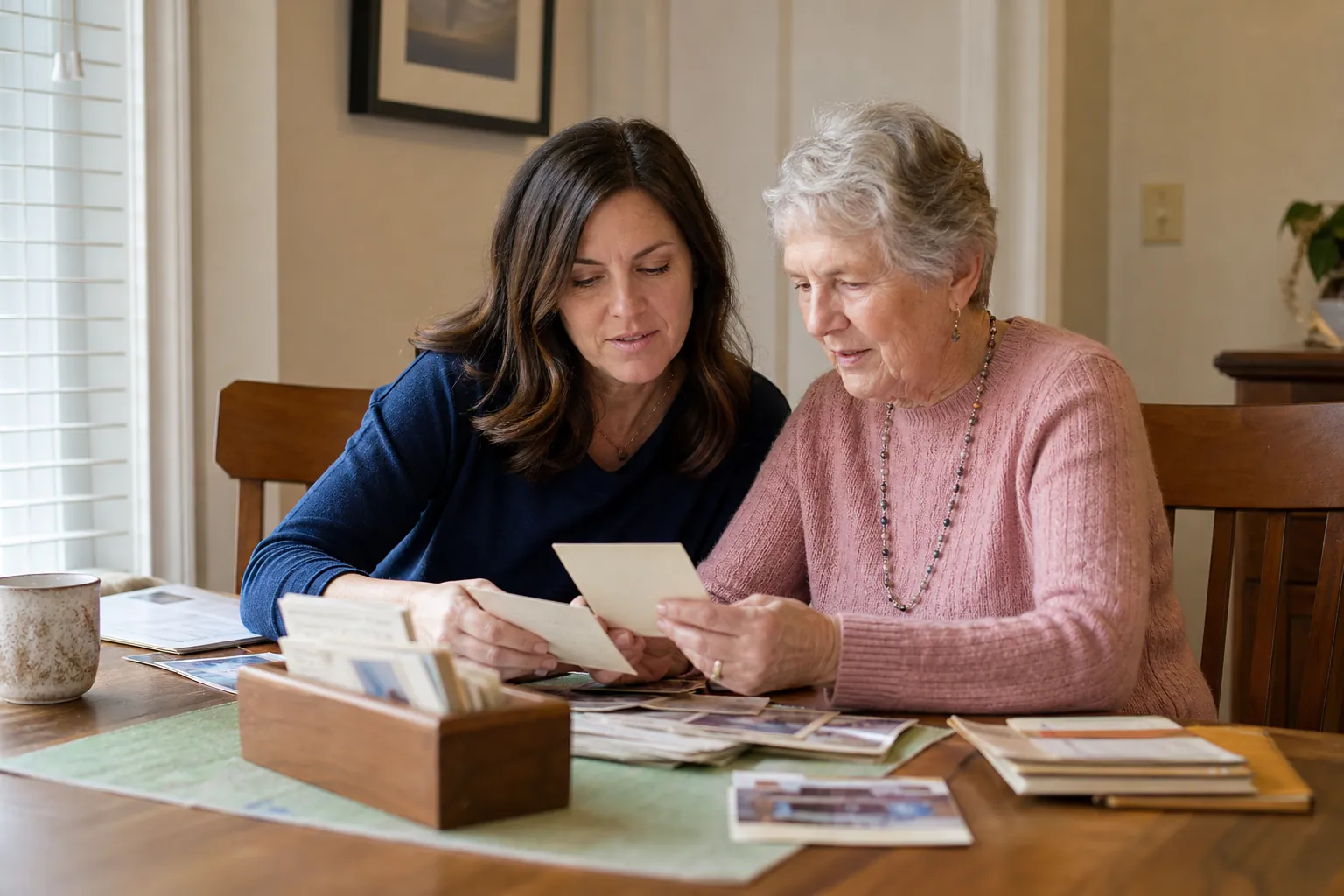
Choose a job you can own without asking the caregiver to remind you. You might manage the calendar, call after appointments to write down next steps, arrange grocery delivery, handle a weekly laundry run, or keep a family group updated. A sibling who lives farther away may be better placed to organize forms, insurance calls, or a shared calendar than to offer occasional advice.
Ownership includes the details around the task. If you offer to drive someone to an appointment, confirm the time, know where to go, and ask what needs to be brought. If you take the pharmacy pickup, know who to call if the prescription is not ready. The caregiver should not need to rebuild the plan while standing beside you.
OPA's Care Coordination Grid can help families put recurring work, contacts, and backups in one place. A shared page is not about controlling every hour. It gives each helper enough context to do the part they agreed to do.
Help without taking over
Caregivers often know the routine better than anyone else. Their experience matters, even when they are tired. Support works best when you ask what would make the next few days easier, listen to the answer, and avoid replacing the caregiver's judgment with your own.
That does not mean a helper must wait for perfect instructions. It means agreeing on the parts of care that can be shared. A friend may take charge of dinner, a sibling may handle the family calendar, and a neighbor may offer a regular ride. Each person can do useful work without turning every choice into a group discussion.
Be careful with advice. A caregiver may need a practical hand more than another article, opinion, or story about what worked for someone else. Ask before sending resources. When a decision involves health, medication, treatment, or safety, help the caregiver prepare questions for the appropriate clinician instead of trying to settle the issue yourself.
Respect also includes a caregiver's privacy. Do not give family updates, share diagnoses, or post about care online unless the person receiving care and the caregiver have agreed. Quiet, dependable help builds more trust than a public show of concern.
Make the handoff easy
A good handoff protects the person's routine and keeps the caregiver from explaining the same details every time. Ask what a helper needs to know before stepping in, then write down the practical answers.
- What time of day is usually calmest?
- Which meals, routines, or activities matter most?
- How does the person prefer to be addressed?
- Who should receive an update after an appointment or concern?
- Which questions must go to the treating clinician?
- What would count as an urgent situation?
Keep private information protected. A helper may need to know where a list of emergency contacts is kept, but a casual visitor does not need access to every medical or financial document. The family planning tools give relatives a useful starting point for organizing the information that belongs in a handoff.
Do not guess about new symptoms, medication changes, treatment, or safety instructions. Those questions belong with the appropriate clinical team. A general care plan can help a household communicate, but it does not replace individual medical advice.

Show up for appointments and hard days
Appointments often create work before and after the visit. There may be transportation, forms, questions, prescriptions, follow-up calls, and a tired person who needs a quieter afternoon. Offering a ride can help, but offering to manage the surrounding details can help even more.
Before an appointment, ask whether the caregiver wants help writing down questions or gathering documents. During the visit, take notes only if the family wants you to. Afterward, send the caregiver a brief, useful recap rather than expecting the caregiver to repeat the conversation to everyone else.
Some hard days do not fit on a calendar. A fall, a sudden change in routine, a missed service, or a difficult night can leave a caregiver scrambling. Talk before a crisis about who can take a call, who has transportation, and who can cover an afternoon. A simple backup plan removes some pressure when the usual schedule breaks.
Do not promise that you are available at any hour unless you truly are. Name the hours you can cover and who should be called first if you are unavailable. Clear limits are kinder than an open-ended promise that creates confusion later.
Give the caregiver a real break
A caregiver may use a free hour to sleep, go to an appointment, see a friend, catch up at work, or sit quietly without watching the clock. A break only works when the caregiver trusts that the responsibility is covered.
Set a start and end time. Arrive when you said you would. Ask whether the caregiver wants an update while away or simply wants to be off duty. Then respect the answer. A person who has been carrying care for months may need more than a cheerful check-in to relax.
Short-term relief has a name: respite care. The National Institute on Aging describes respite care as short-term relief for primary caregivers. A family member, friend, adult day program, or paid provider may be part of that relief, depending on the household's needs.
Think ahead when you can. Offer to cover a predictable time such as one Saturday morning each month or the caregiver's recurring medical appointment. Regular coverage is easier to trust than a last-minute rescue.
Support the person receiving care, too
Helping a caregiver does not mean speaking over the older adult or treating the person as a problem to solve. Ask the person receiving care what would make the day easier. A familiar meal, a preferred television program, a walk outside, a favorite story, or a visit with a friend can make support feel less like a disruption.
Keep the person involved in choices that affect daily life whenever possible. Someone may welcome help with a ride or dinner while wanting to choose the schedule, clothes, visitors, or activities. Respecting those preferences can make the support easier for everyone to accept.
For families supporting a loved one with memory changes, familiar activities can provide connection without pressure. The goal is not to keep someone busy every minute. The goal is to protect familiar routines and give people a way to spend time together.

Help from a distance
Long-distance family members and friends can still take responsibility for work that happens by phone or online. The key is to choose a job with a clear finish line.
You might maintain a shared calendar, coordinate meal deliveries, research transportation options, organize a family video call, handle a recurring bill with permission, or make notes from conversations with an insurer. Before taking on paperwork or financial tasks, make sure the person with authority has agreed to the arrangement and that private information stays protected.
A regular call can also matter. Call with a purpose: “I can take care of the pharmacy refill on Friday” is more useful than asking the caregiver to summarize the entire week. When you call the person receiving care, make room for an ordinary conversation that is not only about appointments or problems.
Keep family communication useful
Many families use a group text or shared calendar. These can make care easier when they hold clear information, not a running stream of worry. Decide what belongs there: appointment times, coverage, practical updates, and requests that need an answer.
Give one person responsibility for sending a brief update after a major appointment or change. That person does not need to carry every care task. The role simply prevents several relatives from calling the caregiver for the same information while the caregiver is trying to manage the day.
When there is disagreement, return to the immediate need. Who can cover Thursday afternoon? What does the older adult prefer? Which question needs a clinician's answer? Solving the next practical decision is often more productive than reopening every family concern at once.
A shared plan also makes it easier to notice gaps. If no one can regularly cover a meal, ride, personal routine, or supervision period, the family has useful information. The gap is not a failure. It is a reason to consider more dependable support.
Know when the plan needs another layer
Family help can be loving and capable, but there are times when the workload is more than relatives and friends can safely cover. A plan needs attention when meals, personal routines, transportation, supervision, or rest are repeatedly falling through. The same is true when a caregiver is missing work, losing sleep, skipping medical appointments, or feeling unable to leave the house.
The Eldercare Locator, a public service of the Administration for Community Living, can help families find aging services and caregiver support in their area. A family may also need guidance from the person's clinician when health needs, mobility, medications, or safety have changed.
When day-to-day support is becoming hard to sustain, OPA Home Care can talk through personal care at home, short-term support after an illness or hospital stay, and more consistent live-in care. The conversation can start with a single difficult part of the week. It does not need to settle every future decision at once.
A simple way to help this week
Choose one responsibility that is already on the caregiver's plate. Offer it with a time, a clear boundary, and a plan to follow through. Then put the next handoff on the calendar before the current one is finished.
Reliable support is not dramatic. It is the ride that arrives, the meal that shows up, the phone call that gets returned, and the hour when a caregiver can step away without wondering what will happen next. Those small pieces give a family more room to care for the person at the center of the plan.