For years, families were told to expect an unavoidable wave of dementia as the population aged. The reality is more nuanced, and more hopeful. Dementia remains a serious condition, but recent research shows that age-specific dementia rates have declined in the United States and several other high-income countries.
That does not mean every family will avoid a diagnosis. It does mean risk is not fixed. Prevention, early support, and consistent care can matter.
A hopeful change in the numbers
A recent JAMA Viewpoint on the changing dementia epidemic describes a major decline in age-specific prevalence in the United States across four decades. Researchers distinguish this from the total number of people living with dementia: as people live longer, the total can still rise even when the chance of dementia at a given age falls.
A 2024 review in The Lancet Public Health also found that incidence and age-specific prevalence have generally declined in high-income countries, while noting that trends and access to prevention are not equal everywhere.
Why might risk be changing?
There is no single explanation. Brain health is closely connected to cardiovascular health, education, opportunities for prevention, and the care people can access across a lifetime. Treating high blood pressure, managing diabetes, reducing smoking, preventing stroke, staying socially connected, and addressing hearing or vision concerns can all support health more broadly.
The 2024 Lancet Commission on dementia prevention, intervention, and care estimated that up to 45% of dementia cases worldwide could potentially be delayed or prevented by addressing modifiable risk factors. That is a population estimate, not a promise for any one person. Genetics, aging, medical conditions, and unequal access to care still matter.
What families can do now
Keep preventive care on the calendar
Ask the clinician about blood pressure, cholesterol, diabetes, sleep, depression, medications, and vaccines. These conversations are useful long before a family notices major memory changes.
Protect hearing, vision, movement, and connection
Hearing and vision screening can make everyday communication safer and less isolating. Physician-approved walking, balance work, and strength activity can support mobility and confidence. Familiar visits, music, faith communities, hobbies, and regular conversation also help a person stay connected.
Respond early to change
New confusion, missed medications, falls, wandering, difficulty with meals, or sudden changes in behavior deserve attention. A rapid change can be caused by a medical issue such as infection, dehydration, medication effects, or stroke. It is important not to assume that every change is simply dementia.
What about the shingles vaccine?
Researchers are studying whether shingles vaccination may also be associated with lower dementia risk. A 2024 Nature Medicine study found lower subsequent dementia risk among people who received the recombinant shingles vaccine compared with an earlier vaccine. This is encouraging, but it does not establish that vaccination prevents dementia. Families should discuss shingles vaccination with their physician based on current recommendations and individual health history.
How dependable home care can help
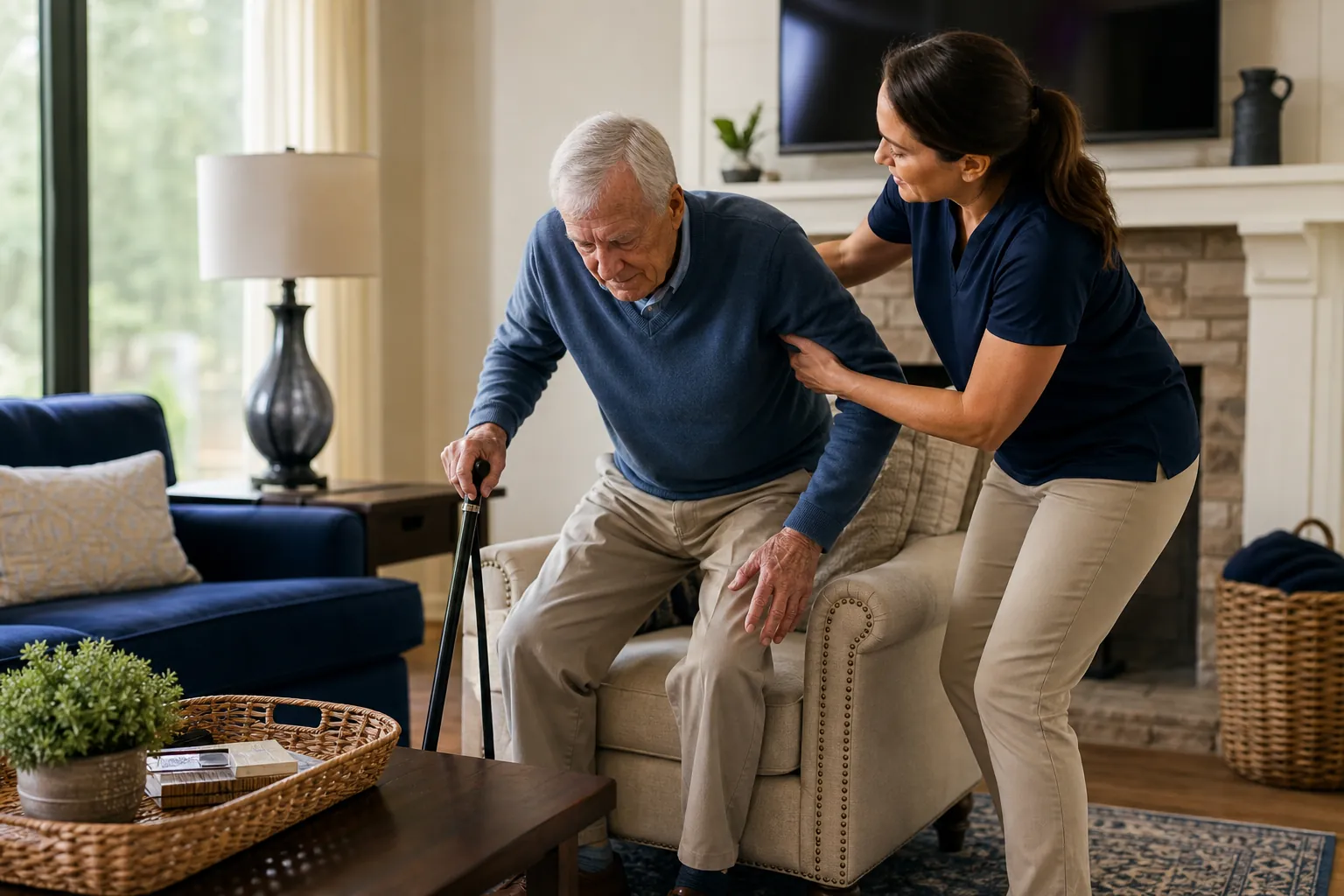
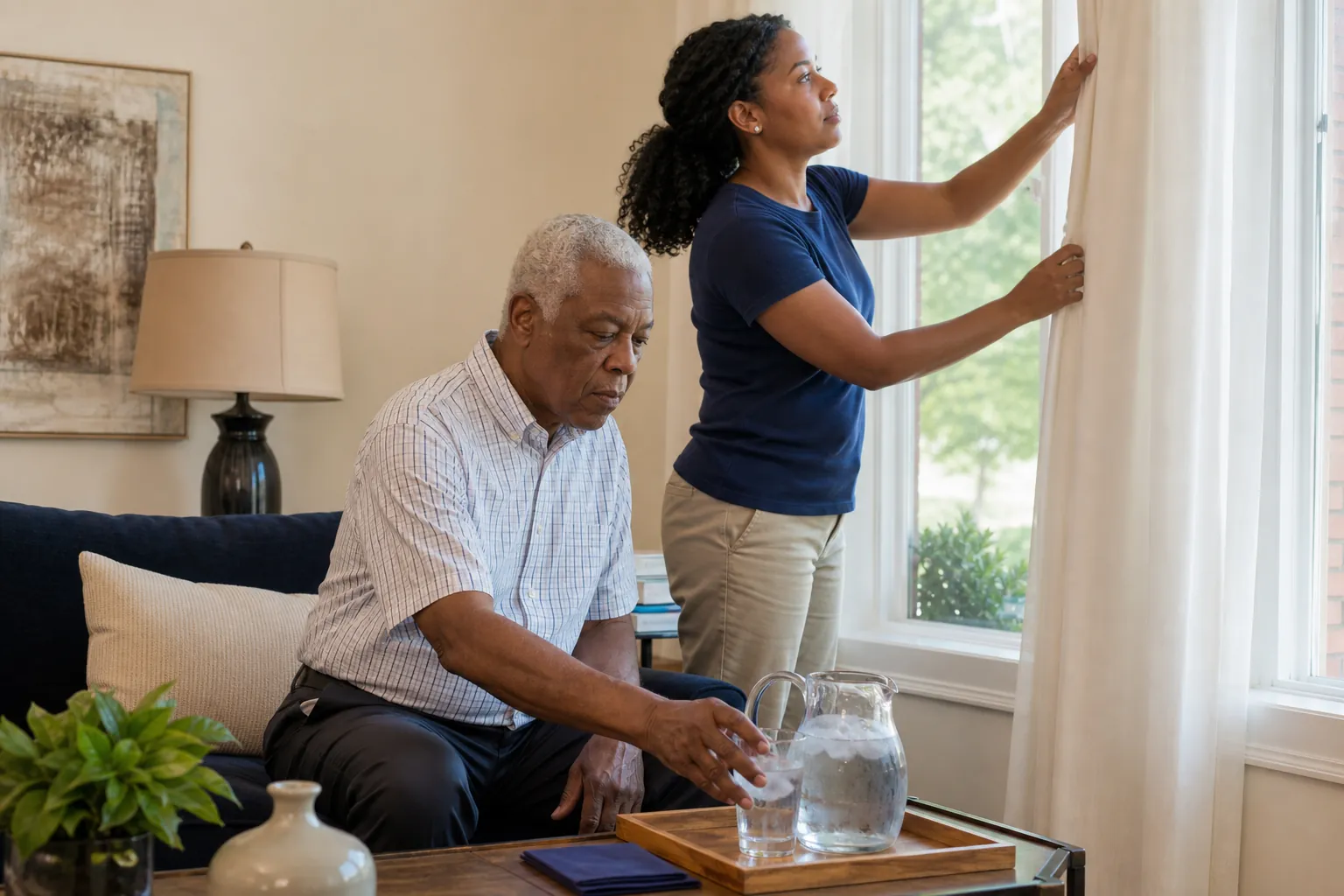
Hopeful population research does not erase the day-to-day work of supporting someone with dementia. Families may still need help with routines, meals, mobility, personal care, appointments, and meaningful engagement.
Personal care at home can support familiar routines while a loved one remains in surroundings they know. When needs become more complex, families can also explore skilled nursing support and talk through what is appropriate with the person’s medical team. The goal is not to take over a person’s life. It is to make everyday life safer, calmer, and more connected.
What families should take away
Dementia is not an inevitable outcome of aging, and prevention efforts appear to be making a real difference at the population level. The most useful response is practical: stay engaged with preventive care, protect sensory health and social connection, address changes promptly, and ask for support before a routine becomes unsafe or overwhelming.
When a family needs help at home, OPA Home Care can talk through practical options for support across North Georgia. Compassionate care cannot change every diagnosis, but it can help a person remain safer, more engaged, and more independent at home.