

For families managing dementia, the Georgia summer introduces more than just discomfort: it introduces a life-threatening medical variable. High temperatures and humidity levels in the Atlanta MSA are objectively dangerous for seniors, but for patients with cognitive impairment, the risk profile is unique and significantly more severe.
The most dangerous aspect of heat-related illness in dementia patients is that the person suffering from it often cannot communicate their distress: or even recognize it themselves. At OPA Home Care, our approach to summer safety is rooted in operational reliability and clinical oversight. Safety in the heat is not a matter of luck; it is a matter of professional supervision and rigorous adherence to hydration and environmental protocols.
The Biology of Risk: Why Dementia Patients are Vulnerable
Dementia does not just affect memory; it affects the brain’s ability to regulate the body. This creates a “silent threat” where a patient may be overheating or dangerously dehydrated without showing the standard signs of thirst or discomfort.
1. Impaired Thirst and Temperature Recognition
The neurological pathways that signal thirst often degrade in patients with Alzheimer’s and other forms of dementia. A patient may go an entire day without drinking water simply because their brain never sent the signal that they were thirsty. Similarly, the ability to perceive ambient temperature is often compromised. We frequently see patients attempting to wear heavy sweaters or blankets in 90-degree weather because their internal “thermostat” is malfunctioning.
2. Medication Interactions
Many patients with dementia are prescribed medications that exacerbate heat risk. Diuretics (often used for blood pressure) increase fluid loss, while certain sedatives and psychotropic medications can suppress the body’s ability to sweat. Without the ability to sweat effectively, the body cannot cool itself, leading to a rapid rise in core temperature.
3. The Danger of Wandering
Wandering is a common behavior in dementia, but during a Georgia heat wave, a 20-minute walk can become a medical emergency. A patient who wanders outside may become disoriented, lose their sense of direction, and succumb to heat exhaustion before anyone realizes they are missing.

Red Flags: Spotting Symptoms When They Can’t Tell You
In a healthy adult, heat exhaustion is characterized by vocalizing feelings of dizziness, nausea, or intense thirst. In a patient with dementia, these symptoms often manifest as behavioral changes. If you are providing in home dementia care in Atlanta, you must look for “atypical” red flags:
- Increased Agitation: Sudden irritability or “sundowning” symptoms appearing earlier in the day can be a sign of physical distress from heat.
- Sudden Confusion: If a patient’s cognitive state declines rapidly over a few hours, dehydration or heat stroke should be the first suspicion.
- Dry Skin without Sweat: As noted, many medications stop the sweating response. If a patient’s skin is hot and dry to the touch in a warm room, this is a medical emergency.
- Lethargy: A patient who is unusually difficult to rouse or seems excessively “sleepy” may be experiencing the early stages of heat exhaustion.
Professional Oversight: The OPA Standard
At OPA Home Care, we do not simply “sit” with patients. Our care is led by clinical expertise and managed through a rigorous operational framework. When the Georgia heat index rises, our caregivers implement specific safety protocols designed to mitigate these invisible risks.
Scheduled Hydration Protocols
We do not wait for a patient to ask for water. Our caregivers operate on a scheduled hydration track, offering small amounts of fluids every hour. We also incorporate hydrating foods: such as melons or specialized electrolyte-balanced snacks: to ensure fluid levels remain stable.
Environmental Management
Our caregivers are trained to monitor the home environment proactively. This includes:
- Ensuring air conditioning systems are functioning and set to a safe clinical range (typically 70-74 degrees).
- Closing blinds and curtains during peak sun hours to reduce solar gain.
- Monitoring for “micro-climates” within the home where heat may trap in certain rooms.
Wandering Prevention and Indoor Engagement
During extreme heat, we prioritize safe indoor walking routes and engaging activities that reduce the urge to wander. By keeping patients mentally stimulated with memory care activities, we decrease the likelihood of a patient attempting to leave the safety of the air-conditioned environment.

Operational Reliability: Why “No Missed Shifts” Saves Lives
In the world of dementia care in Georgia, reliability is a clinical requirement. A missed shift during a heat wave is not just a scheduling inconvenience; it is a period where a vulnerable patient is left without hydration monitoring or environmental oversight.
OPA Home Care maintains a 99% report rate. Our “No Missed Shifts” guarantee is backed by a robust fail-safe system and a team of over 1,400 credentialed caregivers, CNAs, and nurses. If a primary caregiver has an emergency, our backup systems trigger immediately to ensure no patient is left alone.
When the heat is high, the stakes are higher. You cannot afford a caregiver who “might” show up. You need a partner with a proven track record of operational consistency.
Clinical Expertise and Fast Starts
Because heat-related issues can escalate quickly, we offer Fast Starts. If you realize your loved one’s current situation is unsafe due to rising temperatures or a sudden change in their health, you can call us and have care established immediately.
Our services go beyond basic assistance. With skilled nursing home care capabilities, we can manage complex needs including G-tube feedings and tracheostomy care, effectively bringing the capabilities of a skilled nursing facility directly into the patient’s home.

Proudly Serving Georgia’s Veterans
OPA Home Care is a proud member of the VA CCN network. We understand the specific needs of our veteran community and work closely with the VA to provide the high-quality home care they have earned.

Service Areas
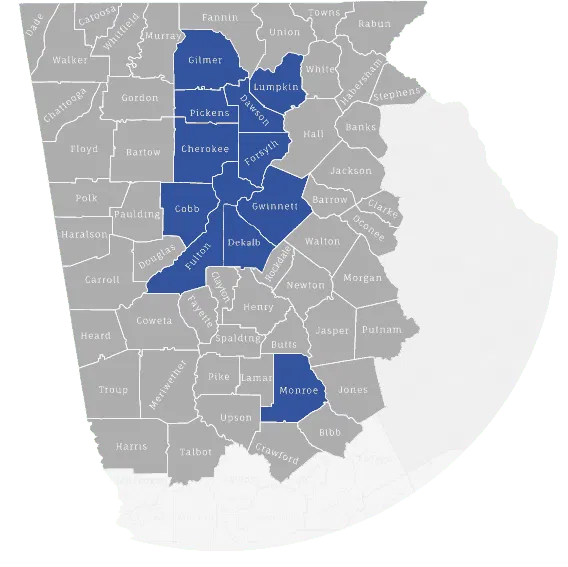
We provide dedicated in-home care across the North Georgia region, covering the following counties:
- Cherokee
- Cobb
- Dawson
- Dekalb
- Forsyth
- Fulton
- Gilmer
- Gwinnett
- Lumpkin
- Monroe
- Pickens
Secure Your Loved One’s Safety Today
The combination of dementia and extreme heat requires more than just family effort: it requires professional oversight. Don’t wait for a heat-related emergency to seek help. Whether you need short-term care during a heat wave or long-term aging in place support, OPA Home Care is ready to provide the reliable, credentialed care your family deserves.
Contact us today at OPA Home Care to discuss a personalized care plan and ensure your loved one stays safe, hydrated, and cool this summer.