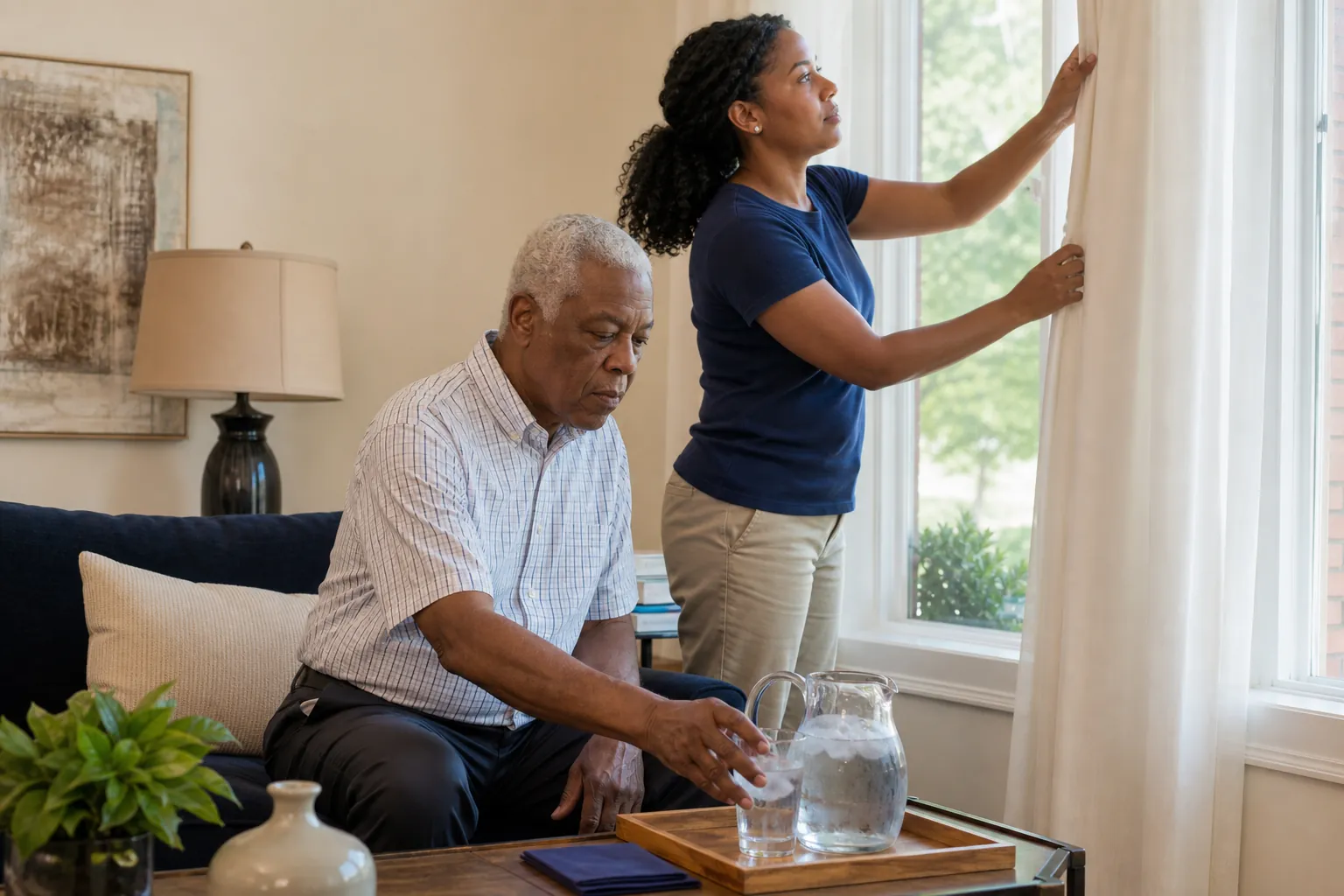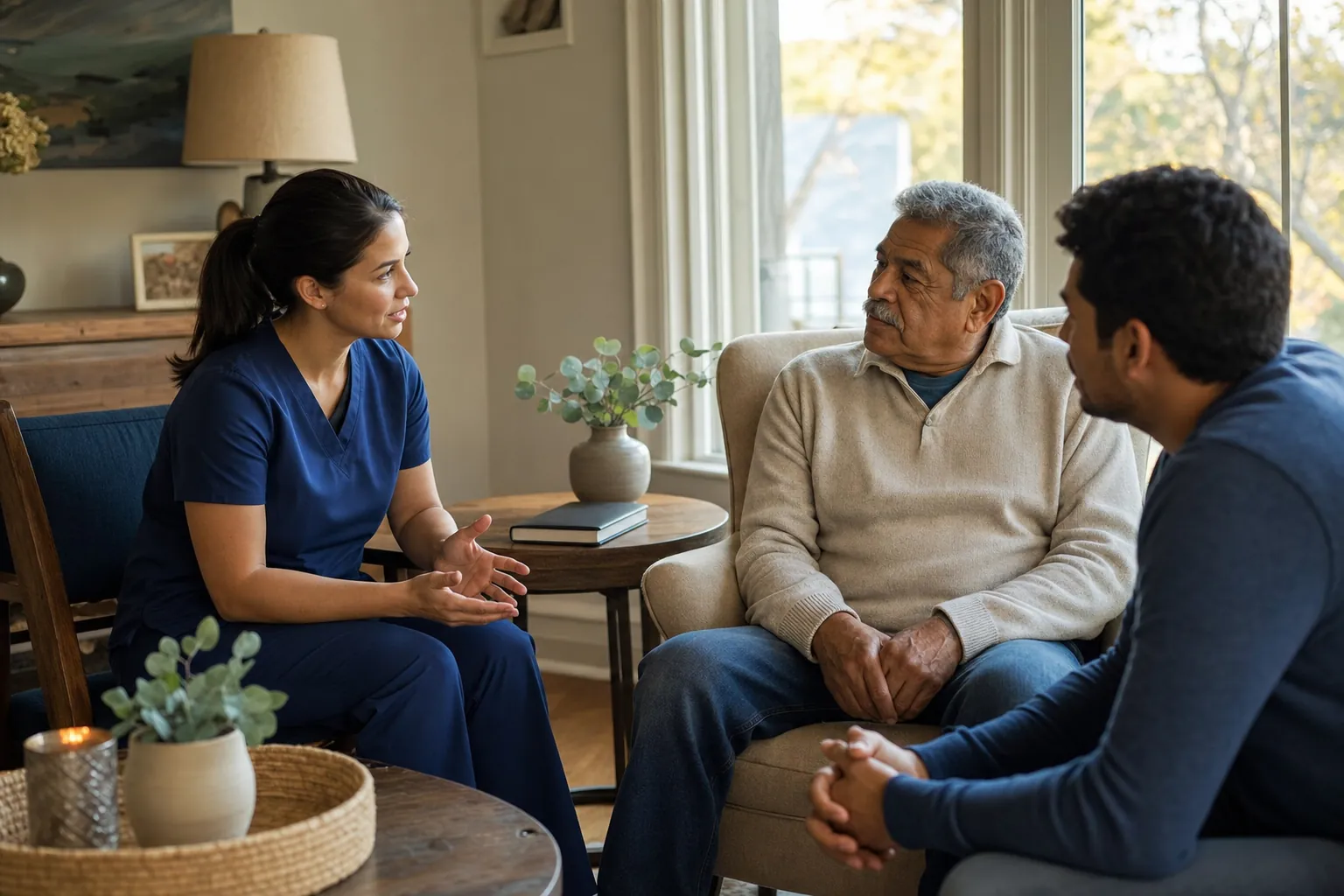
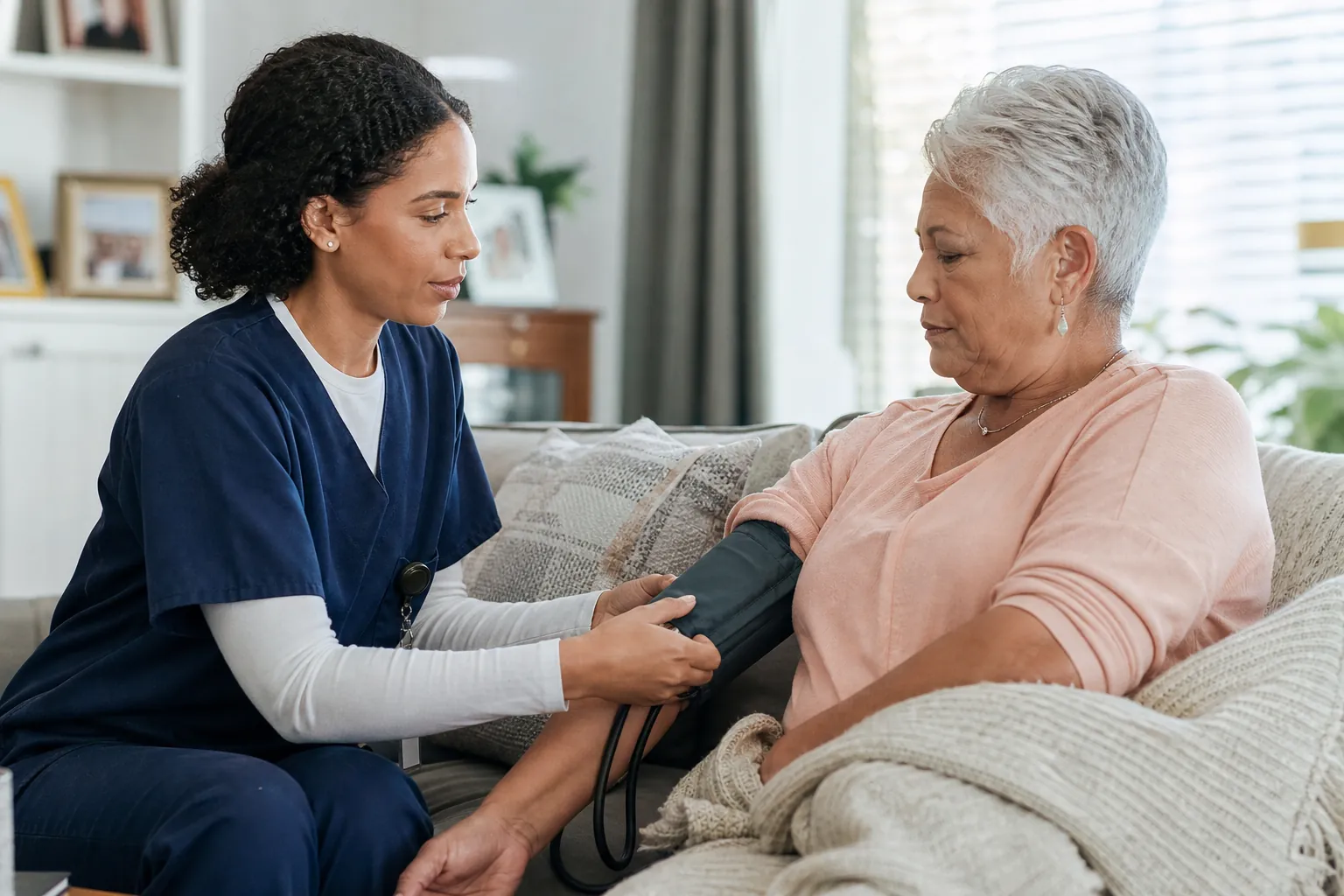
After a hospital stay, a home can feel familiar and still need a second look. A change in strength, balance, medication, vision, or confidence can make ordinary routes harder to manage. A fast start is about preparing the first days, not assuming a family has every answer.
Begin with the discharge directions
Follow the instructions from the hospital or clinical team. Confirm follow-up appointments, medication questions, equipment needs, and the right number to call if something changes. Do not use a general fall-prevention article to decide what is safe for a specific person.
Walk the routes that matter
Look at the path from bed to bathroom, kitchen, front door, and favorite chair. Remove tripping hazards, improve lighting, keep the phone close, and make sure needed mobility equipment is available. The Centers for Disease Control and Prevention notes that falls are a leading cause of injury for adults 65 and older.
Cover the pressure points
Plan for meals, transportation, bathing, errands, and the times of day that feel least steady. If several people are helping, write down who owns each task so a concern does not get lost in a group text.
How OPA can help
Short-term recovery support can help families organize the practical work around a return home. OPA can talk through a fast start when support is needed soon.