The first days at home after a fall can feel unsettled. The goal is not to solve every future care question at once. It is to make the next few days safer, calmer, and easier to understand.
Follow the clinical plan first
Keep the discharge instructions, medication list, follow-up details, and the right clinical phone numbers in one place. If there is new or worsening pain, confusion, weakness, trouble breathing, or another urgent concern, contact the appropriate clinician or seek emergency help. A general article cannot assess an individual fall or injury.
Make the path through the home simpler
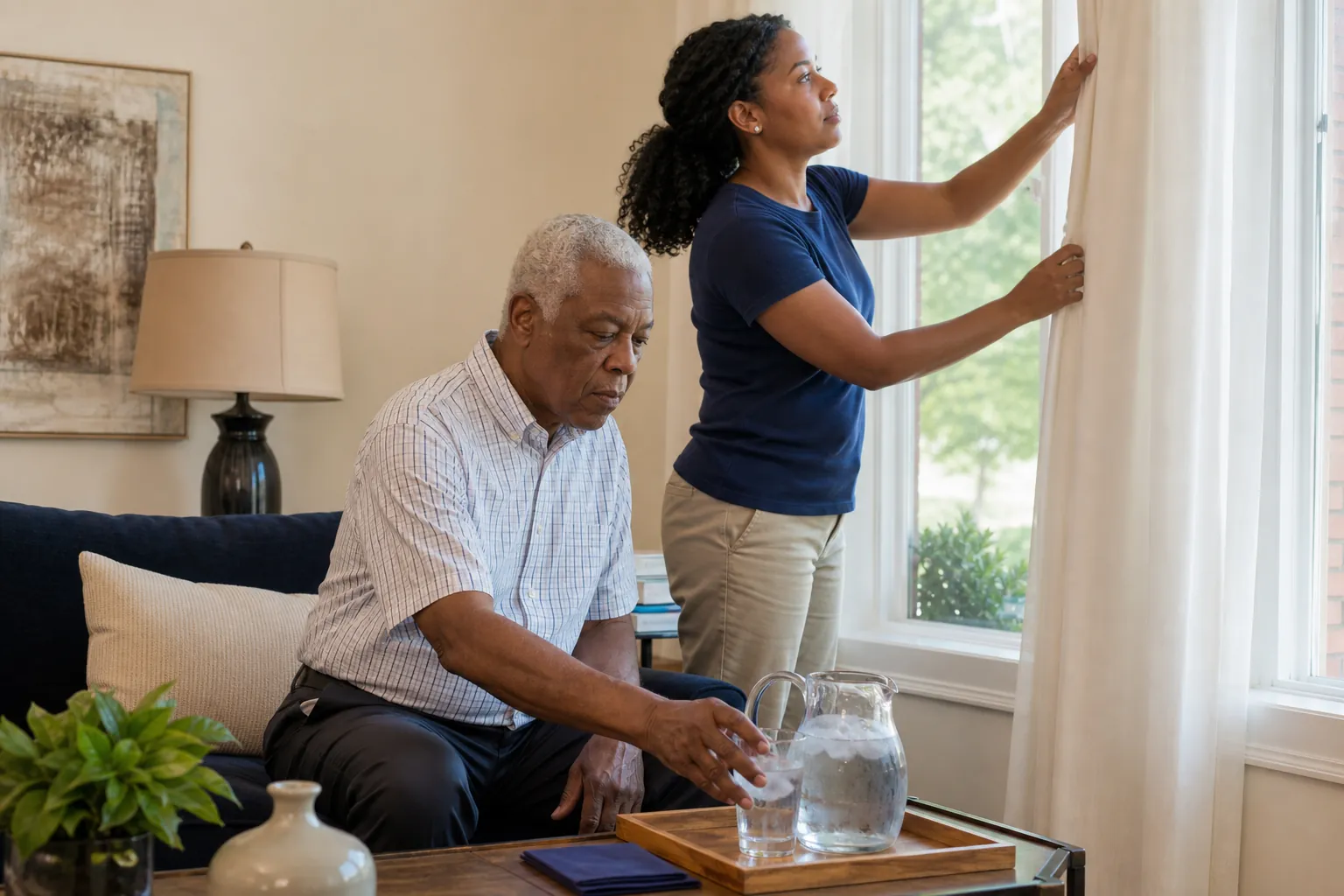
Clear frequently used walkways, bring everyday items within reach, and think through the path from bed to bathroom, kitchen, and front door. Good lighting, stable footwear, and a plan for getting to appointments can reduce the number of last-minute decisions the family has to make.
Share the first 72 hours
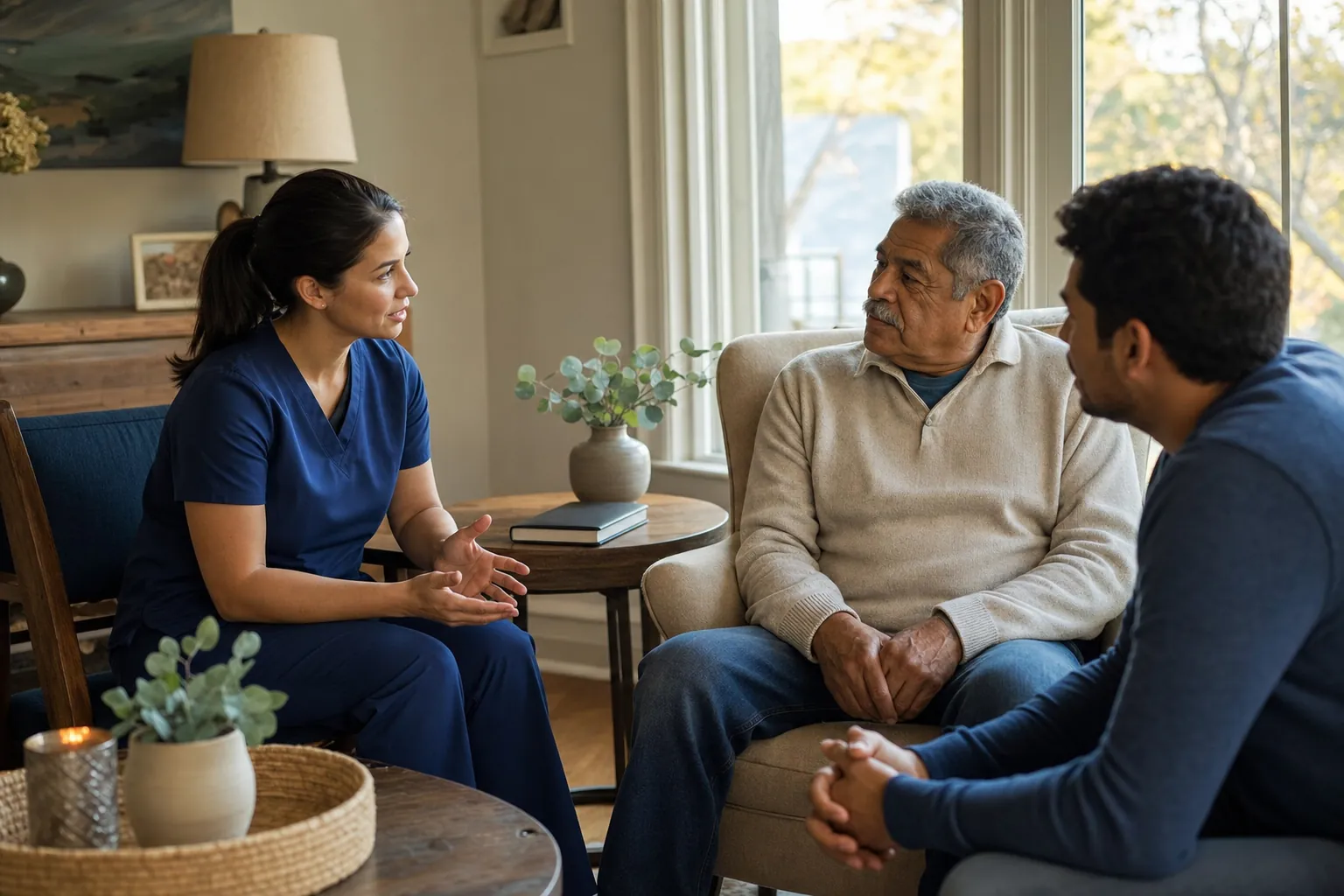
Name who is handling meals, transportation, check-ins, errands, and follow-up questions. If one person is carrying every task, the plan is already fragile. Families can use the free printable tools to put contacts and responsibilities in one place.
When extra support may fit
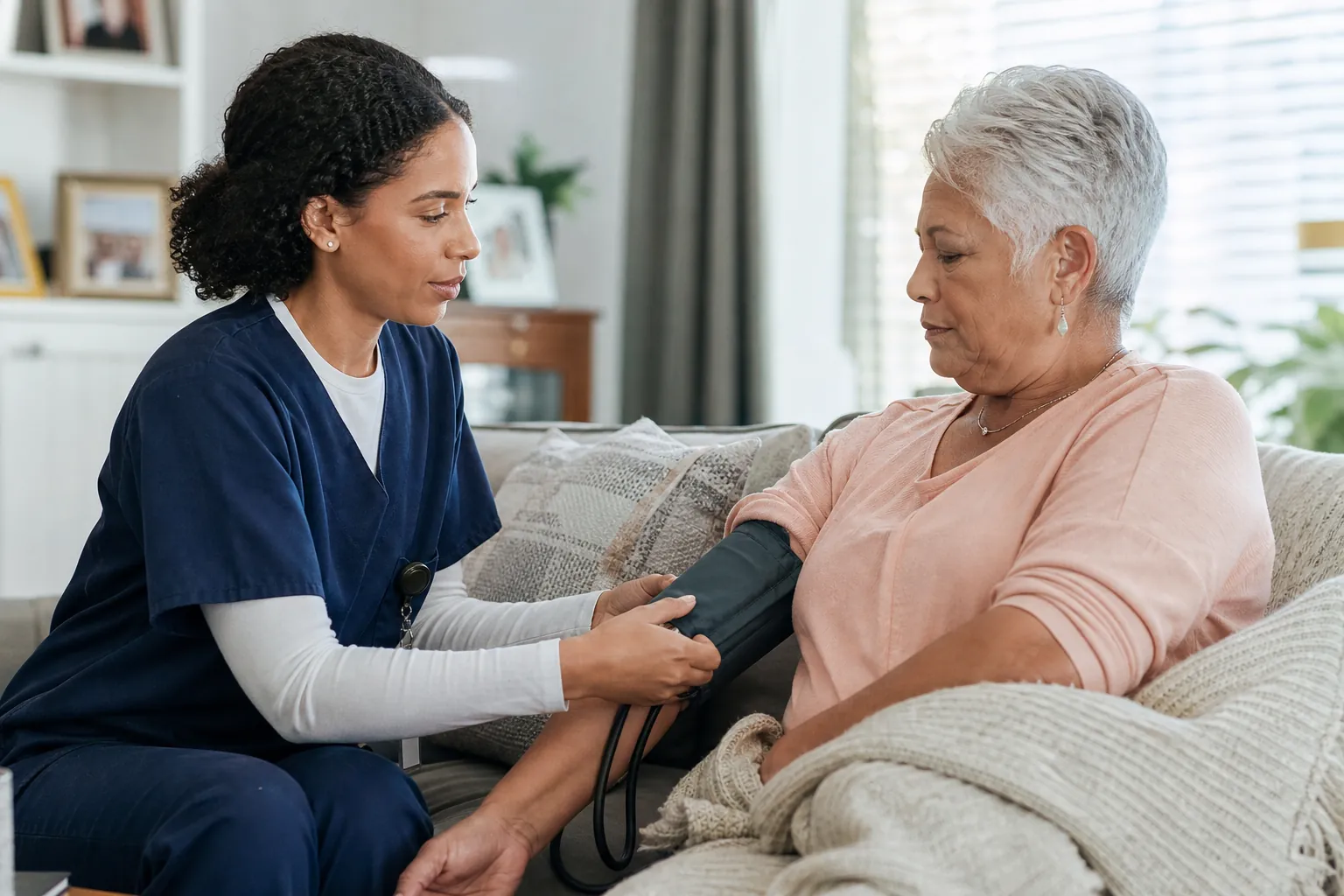
Short-term care can help with the practical routines around a return home while the family follows the care team’s direction. OPA can also talk through how care begins when support is needed soon.