

Falls are the leading cause of injury for adults age 65 and older. The Centers for Disease Control and Prevention reports that older adults experience millions of fall injuries each year, and nearly one million older adults are hospitalized for a fall injury. A fall can change a family's routine in an afternoon. A hospital discharge can create another vulnerable moment.
Discharge paperwork may be complete, but the home still needs to work for the person returning to it. A loved one may be weaker than before the hospital stay, tired from poor sleep, adjusting to a new medication, or moving with a walker for the first time. The first trip down the hall at night, the first shower, and the first climb up a step can carry more risk than the family expected.
Falls Prevention Awareness Week, observed September 21 through 25 in 2026, is a useful prompt to look closely at those ordinary moments. The goal is not to make home feel clinical. The goal is to make familiar routines easier and safer to manage.
Why discharge changes the picture
A person can be medically ready to leave the hospital and still need time to regain strength, balance, confidence, or endurance. The CDC's STEADI guidance for inpatient care notes that older adults are more likely to fall in the first month after leaving the hospital than older adults who have not been hospitalized. Less movement during a hospital stay can contribute to functional decline. A new diagnosis, pain, or a changed medication routine can add another layer.
That does not mean every discharge leads to a fall. It means the household should not assume that the person who walked safely before admission can immediately return to every former routine. A clear plan begins with the discharge instructions and a practical question: which parts of the day now require more time, more support, or a safer setup?
Pay attention to changes that can be easy to dismiss. A loved one may pause before standing, reach for furniture while walking, avoid the stairs, move more slowly to the bathroom, or seem unsteady after taking a medication. These observations are useful information for the appropriate health care provider. They are not a diagnosis, and they should not be ignored.

Begin with the routes used every day
A fall-prevention plan does not need to begin with a complete renovation. Start with the routes a loved one uses most often. Walk through the home at the times those routes are actually used. A hallway that looks fine at noon may be dark at 2:00 a.m. A bathroom that feels open in slippers may be difficult with a walker. The point of the walk-through is to find the small obstacles that turn a routine movement into a rushed one.
Clear walking paths
Remove loose rugs, cords, low tables, baskets, stacks of magazines, and other items from paths between the bed, bathroom, kitchen, and favorite chair. Keep a clear place to turn around with a walker or other mobility aid. Do not move furniture simply because it looks better. Move it because it creates a steadier, wider route.
Ask whether the floor itself is creating uncertainty. Slippery socks, shoes without secure soles, and a recently waxed floor can make a careful person less sure of each step. The appropriate choice depends on the person and the home, but the principle is simple: the route should not demand quick adjustments.
Add light where decisions happen
Lighting matters near stairs, entrances, beds, and bathrooms. Put a lamp or light switch within easy reach of the bed. Use night-lights in darker paths. Replace dim bulbs. Make sure stairways are lit from top to bottom, and make sure light switches can be reached before a person enters a dark room.
The CDC's fall-prevention recommendations also call for removing tripping hazards, adding grab bars near the tub or shower and toilet, and having railings on both sides of stairs. These changes support safe movement without asking a loved one to remember a new set of rules every time they stand up.
Bring everyday items closer
Frequently used items should be easy to reach without climbing, bending, or stretching. Move medications, dishes, clothes, chargers, and personal items from high shelves or low cabinets when possible. Keep water, a phone, glasses, and a mobility aid within reach of the bed or favorite chair. A person should not need to stand on a stool or hurry across a room to answer a call.
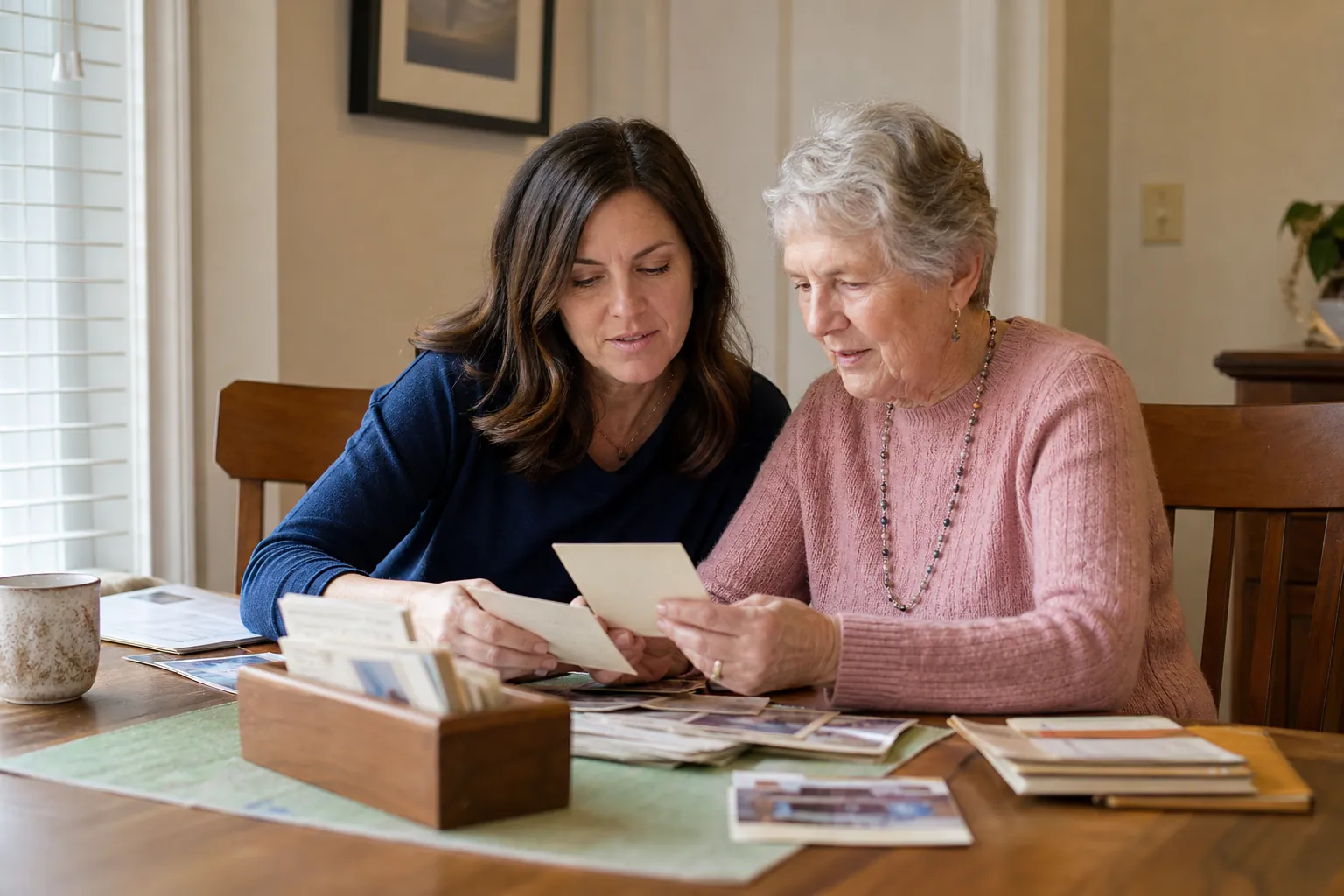
Review the changes that a room cannot solve
Some fall risks come from the home. Others come from a change in the person's condition. Both deserve attention.
Bring mobility and balance changes to the appropriate health care provider. A provider can help determine whether a new change needs assessment, whether a physical or occupational therapy referral may be appropriate, and whether a mobility aid is fitted and used safely. Do not borrow a walker or cane without guidance and assume it is the right fit.
Medication questions matter, too. The CDC advises older adults to ask a doctor or pharmacist to review medicines that may cause dizziness or sleepiness, including prescription and over-the-counter medicines. The right person to change, stop, or adjust a medication is the clinician or pharmacist who knows the individual's health history. A family member or caregiver can make a list of questions and observations, but should not make medication changes independently.
Vision can also affect safe movement. A loved one who seems less certain on steps, curbs, or uneven ground may need an eye exam or a conversation with an eye care professional. The CDC recommends yearly eye checks and notes that bifocal or progressive lenses can change how outdoor surfaces appear. The right response depends on the person, but the family should treat a change in vision as a safety issue, not simply an inconvenience.
Make the first week home more predictable
The first week after discharge is not the time to see whether a loved one can manage every routine alone. It is the time to reduce unnecessary rushing and make the plan visible. Put follow-up appointments, phone numbers, medication questions, and daily support needs in one place. Agree on who is handling meals, rides, laundry, pharmacy pickups, and check-ins.
Then look at the high-risk transitions. Who is available when a loved one gets out of bed? Is there support for showering, dressing, walking to the bathroom, or getting into the car for a follow-up appointment? Is the person trying to manage alone because the family assumes help would feel intrusive? Respect matters, but so does a direct conversation about which moments now feel difficult.
OPA's Care Coordination Grid can help families name the task, the primary person responsible, and the backup. A shared plan does not replace the discharge instructions. It makes it less likely that an important routine becomes nobody's job.
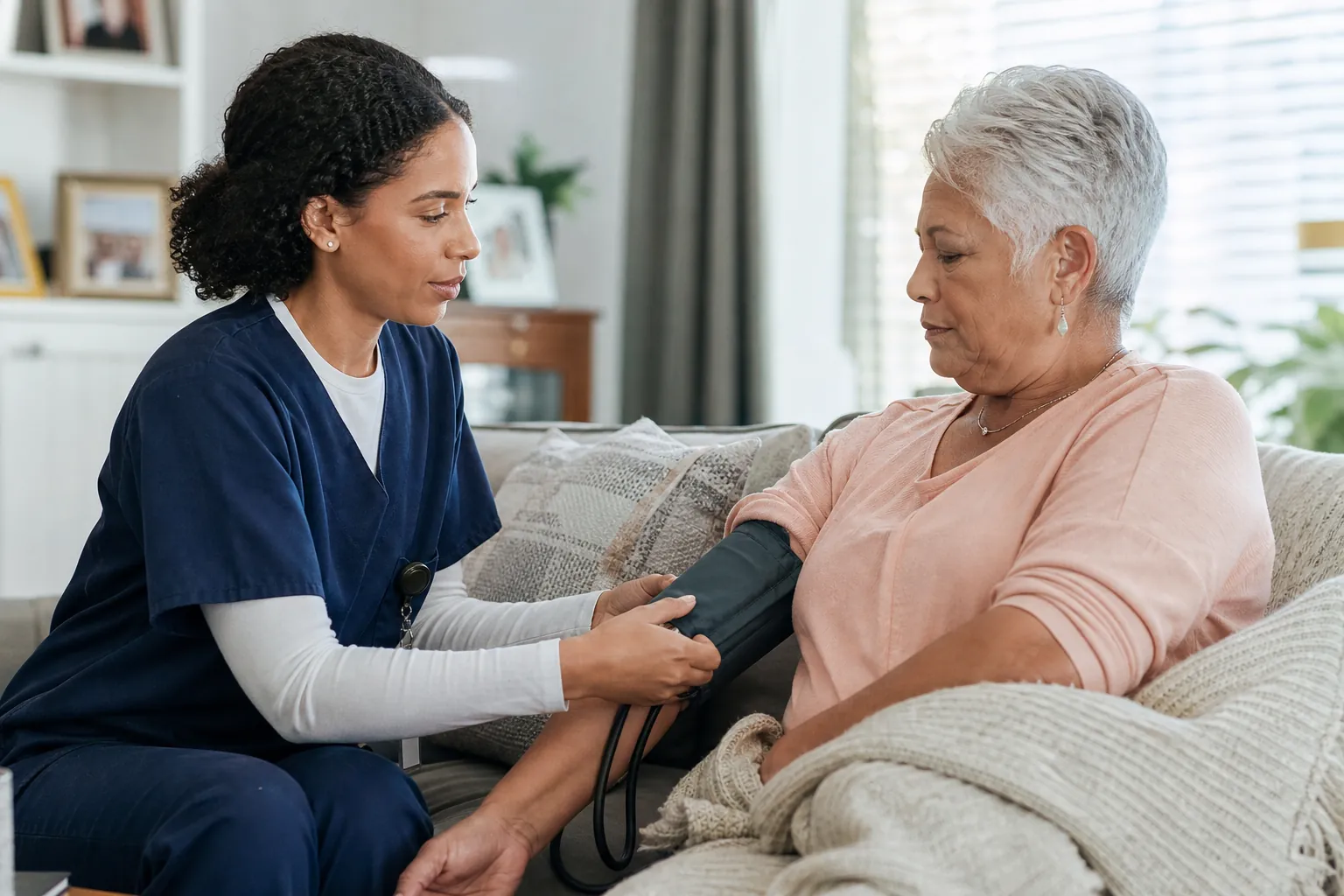
Professional oversight adds another layer
Family support is often the first layer of a safe return home. Professional oversight can add consistency when mobility, personal routines, or recovery needs become difficult to cover alone. A caregiver can support safe mobility, stay nearby during routines that carry more risk, observe changes in condition, and keep the family informed.
OPA Home Care provides support at home with clinical leadership. That depth matters when a family needs help that fits the day in front of them, from a few difficult hours after a discharge to a more regular plan for safe routines at home. Our short-term care can support the days and weeks after a hospital stay, while personal care at home can help with mobility, bathing, meals, errands, and everyday routines.
Dependability is part of safety. OPA Home Care has completed at least 99.92% of scheduled shifts based on internal records. When a family has arranged support for a difficult morning, a shower, or a follow-up appointment, reliable coverage reduces the pressure to rush or manage an unsafe task alone.
Professional support does not replace medical care. New symptoms, a fall, dizziness, pain, medication questions, or a change in condition should go to the appropriate health care provider. Call 911 for an emergency.
A fall-prevention check for this week
Walk the home with your loved one and take notes. Keep the conversation practical. The most useful question is not, “What could go wrong?” It is, “What would make this routine easier to do safely?”
- Clear the walkways used most often, and remove loose rugs or cords.
- Add lighting near stairs, entries, bedrooms, and bathrooms.
- Keep frequently used items within reach.
- Check that railings, grab bars, and mobility aids are available where they are needed.
- Write down new mobility, balance, vision, or medication concerns for the appropriate health care provider.
- Make a plan for the routines that feel least steady after discharge.
Small changes can make the first days home less demanding. They also give a family better information about where more support may be needed. Safety at home is not one decision. It is a series of ordinary choices that make it easier for a loved one to keep living in a familiar place.
If you need help keeping a loved one safe at home, call OPA Home Care at 404-689-4440 or contact our team. Start with the part of the day that feels hardest to cover. We can help you consider the next practical step.
Know what to do after a fall
Even a fall without an obvious injury deserves a pause. Help the person stay where they are until you can understand what happened and whether there is pain, dizziness, weakness, or an injury. Do not rush to pull someone up. A sudden attempt to stand can make an injury worse or lead to another fall.
Call 911 for an immediate emergency. Seek prompt medical guidance after a fall when there is a head injury, loss of consciousness, severe pain, an inability to get up, new confusion, or any concern that a serious injury may have occurred. If the person takes blood thinners or has individual instructions from a clinician, follow those instructions. When in doubt, call the appropriate health care provider for guidance.
After the immediate concern has been addressed, write down what was happening before the fall. Was the person getting out of bed, hurrying to the bathroom, carrying something, wearing unfamiliar shoes, or feeling dizzy? Was the room dim? Had a medication, illness, or activity level changed? Those details can help the health care provider and the family identify what needs attention. The answer may be a home change, a clinical assessment, a change in support, or several of those steps together.
A fall can also change confidence. A loved one may begin avoiding a familiar walk, stairs, or shower because the movement now feels uncertain. Listen to that change. Safe mobility is not only about getting from one room to another. It is about helping a person keep doing the daily things that make home feel like home.