Care Guides
Care Guides

Supporting Independence at Home for Veterans and Older Adults

Thoughtful ways families can support everyday routines, connection, and personal choice at home.

About 3 minute readOPA Home Care guide: 763

Independence looks different for every person

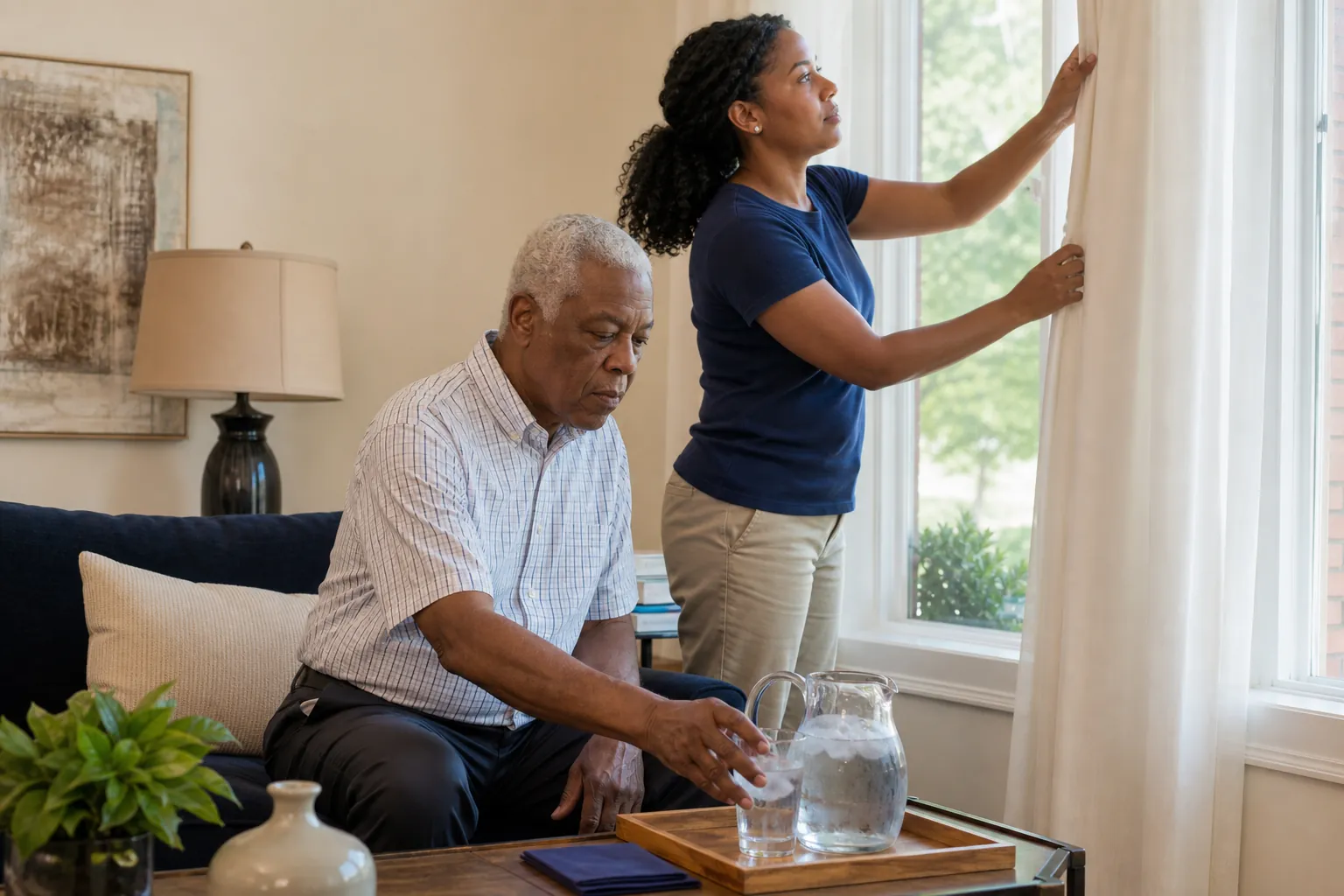
For many older adults, independence means continuing familiar routines, choosing what to wear, spending time with friends, or enjoying a quiet morning at home. Support works best when it protects those preferences instead of taking over.

Make daily life easier to manage

Families can focus on the practical parts of the day that feel hardest, such as preparing meals, keeping appointments organized, getting ready for visitors, or having company during a regular routine.

For veterans, begin with a conversation

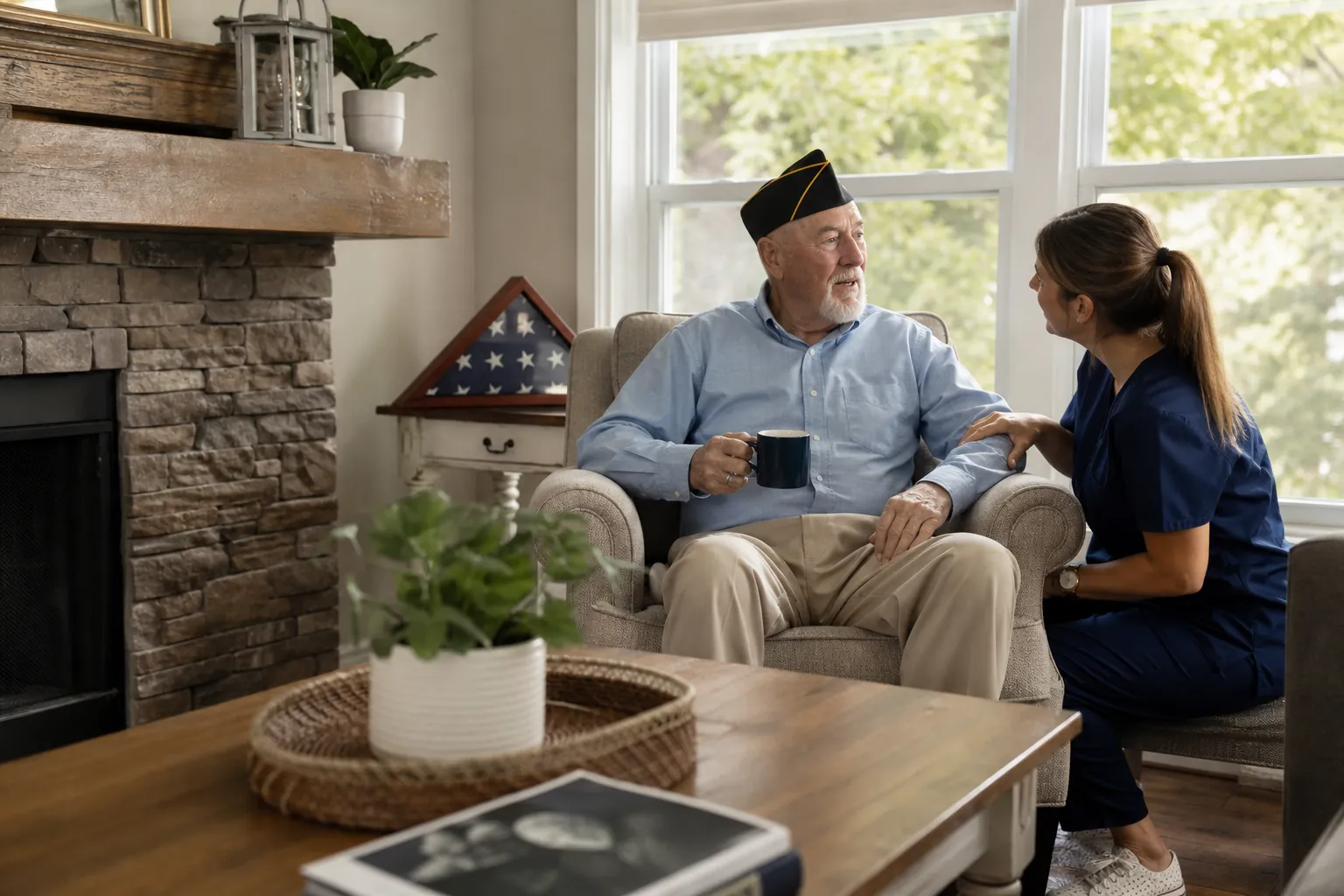
Veterans and their families may have questions about available VA programs or community care. Eligibility and authorization are determined by the VA, so begin with the veteran’s VA care team or social worker.

Frequently asked questions

How do we choose the first task to get help with?

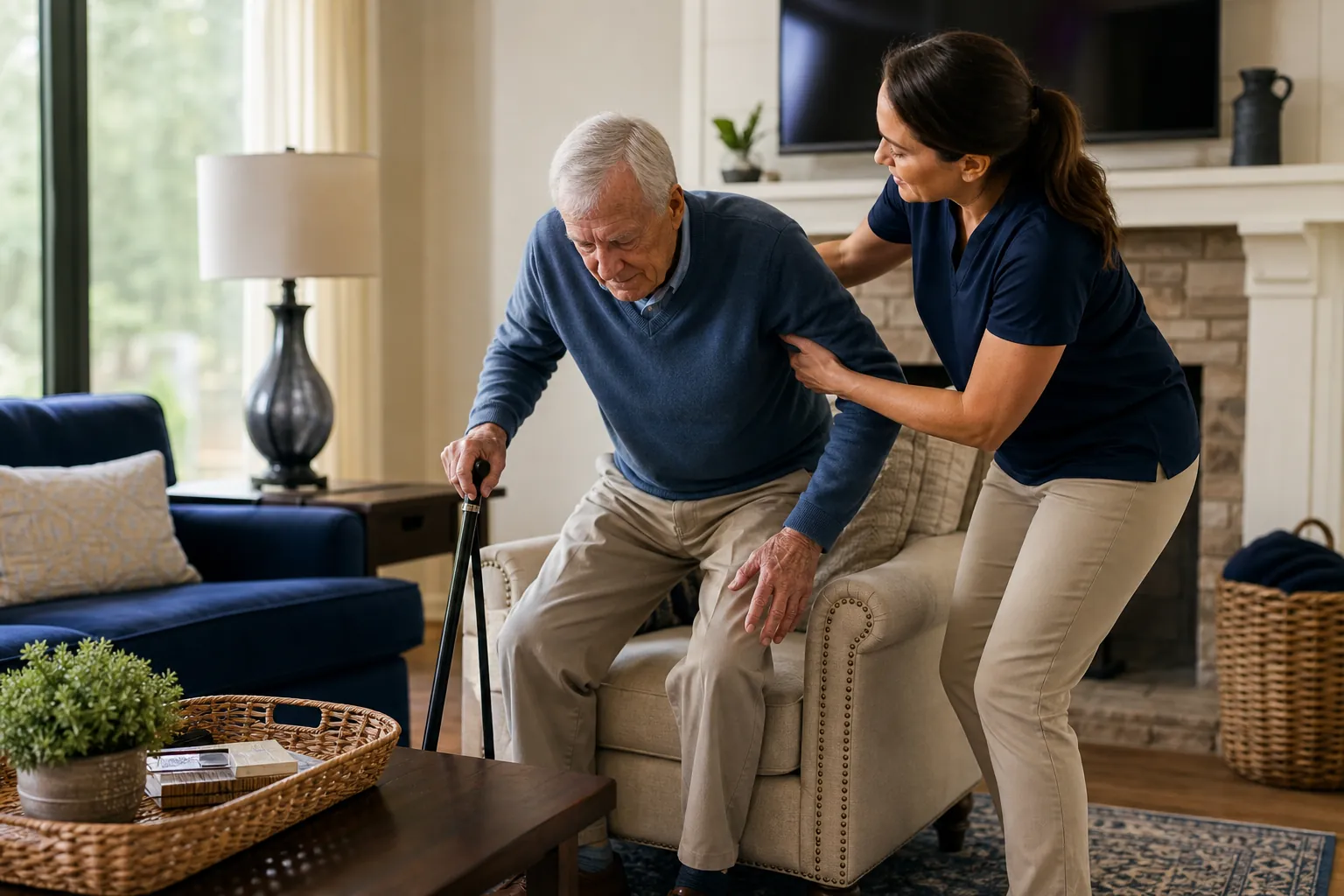
Start with the part of the day or week that is hardest to cover safely and consistently. A clear example, such as morning routines, bathing, meals, or transportation, gives the conversation a practical starting point.

When should a clinician be involved?

Bring new or worsening health concerns to the appropriate clinical team. Call 911 for an emergency. Home care can support daily routines, but it does not replace medical assessment or treatment.

Start with the part of the week that is hardest.

Write down the times when help would ease the pressure at home, then consider what support would fit the routine.

Explore personal care