Care Guides
Care Guides

Meaningful Activities at Home for a Loved One With Memory Changes

Simple activity ideas built around familiar routines, the person’s present ability, and a low-pressure approach.

About 3 minute readOPA Home Care guide: 769

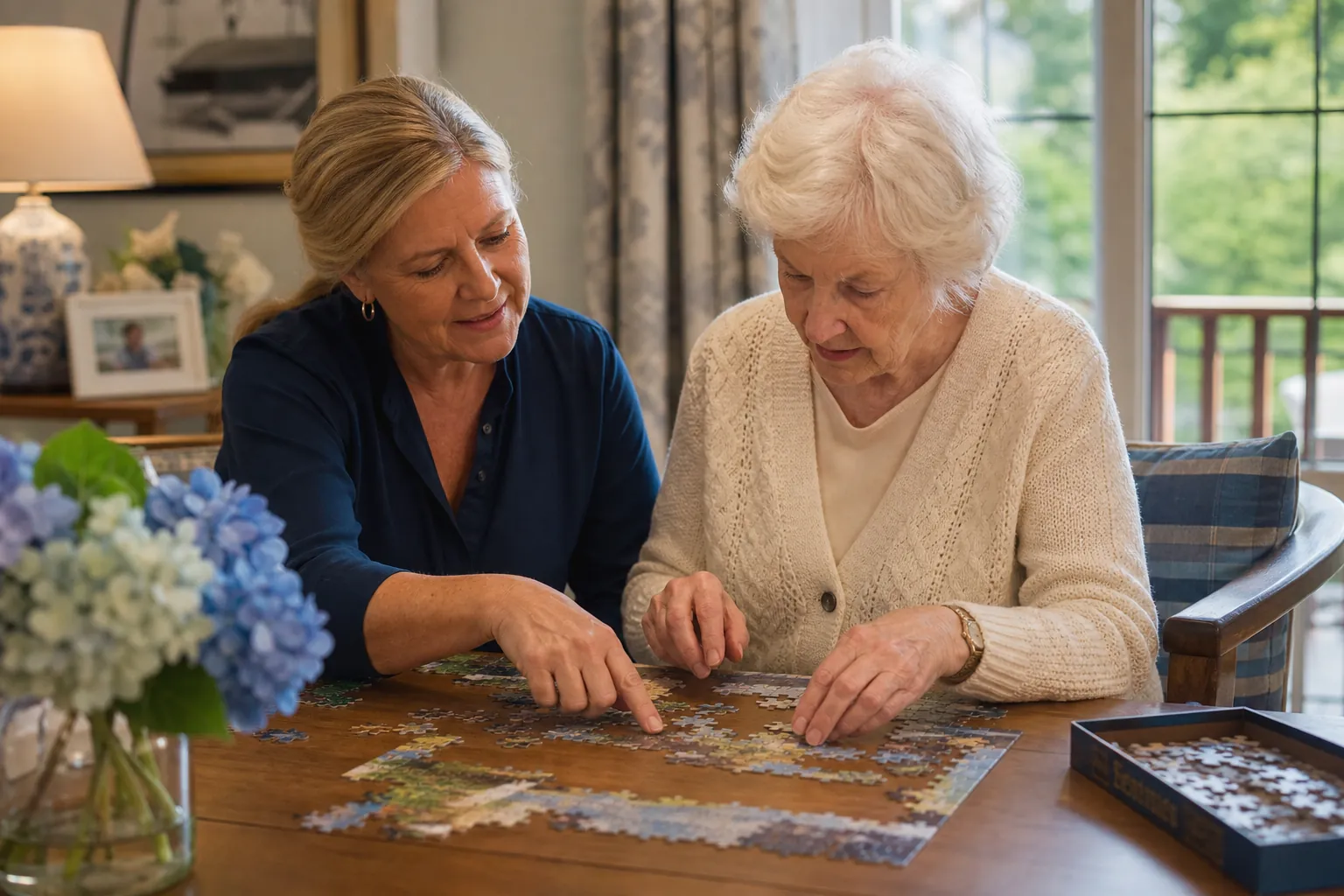
A good activity does not need to fill an afternoon. It gives the person a chance to take part in something familiar without being tested or corrected.

Start with former routines

Think about work, hobbies, music, faith, pets, favorite meals, and the time of day that usually goes best. Choose an activity that feels adult and familiar.

Keep the setup small

Set out only what is needed for one task. Folding towels, sorting photographs, watering plants, listening to music, or helping with one recipe step can be enough.

Watch the person’s response

Stop when the activity brings fatigue, frustration, or distress. A new change in behavior, alertness, pain, eating, or mobility should be discussed with the person’s clinician.

Use the routine to connect

A caregiver or family member can offer companionship without taking over. OPA Home Care can discuss practical support that helps preserve the routines a loved one enjoys.


Frequently asked questions

How do we choose the first task to get help with?

Start with the part of the day or week that is hardest to cover safely and consistently. A clear example, such as morning routines, bathing, meals, or transportation, gives the conversation a practical starting point.

When should a clinician be involved?

Bring new or worsening health concerns to the appropriate clinical team. Call 911 for an emergency. Home care can support daily routines, but it does not replace medical assessment or treatment.

Start with the part of the week that is hardest.

Write down the times when help would ease the pressure at home, then consider what support would fit the routine.

Explore personal care